Mount Google Drive on Linux — NetDrive's Experimental Ubuntu Build

Mount a Google Drive account as a regular Ubuntu mount point using NetDrive's experimental Linux build — install steps, OAuth sign-in, and what to expect.
A data team runs its training jobs on a fleet of headless Ubuntu boxes, and the source datasets live in a shared Google Drive folder nobody wants to re-clone with a sync tool before every run. Copying the whole folder to local disk burns storage and drifts stale the moment someone updates a file from a laptop. NetDrive’s Linux build mounts the same Google Drive account as a regular Ubuntu mount point, so a script opening /mnt/gdrive/datasets/train.csv reads the live file straight from Google’s servers instead of a copy that might already be outdated.
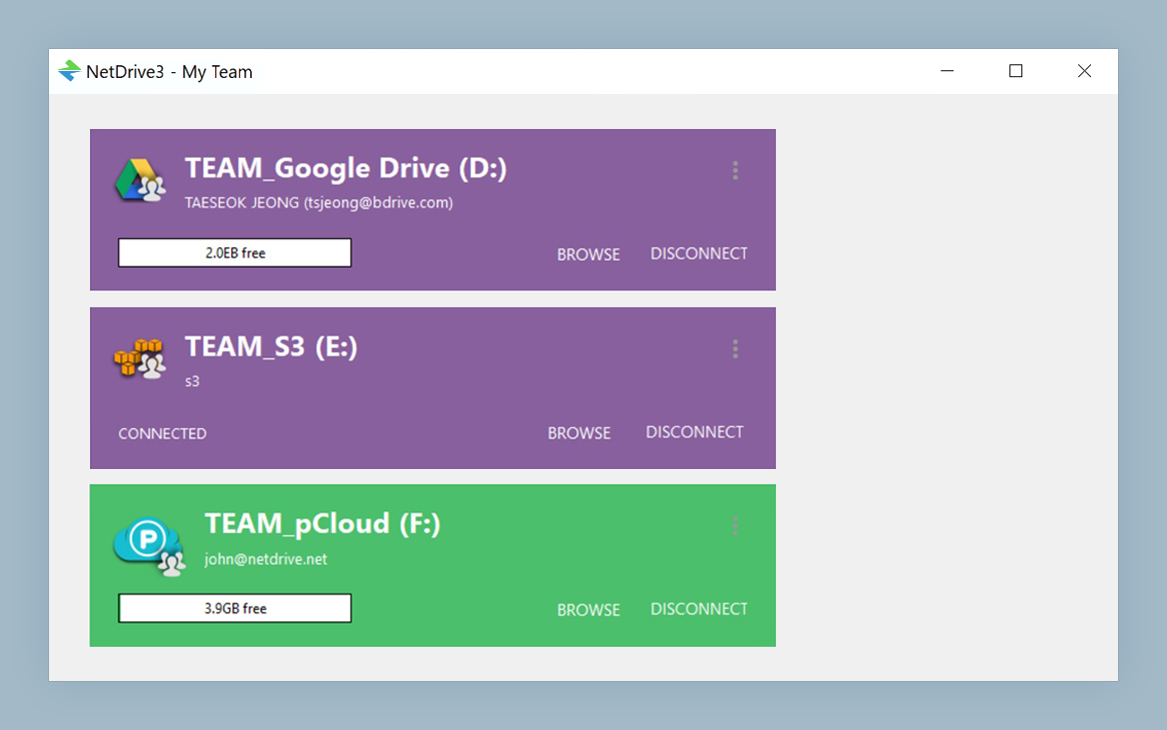
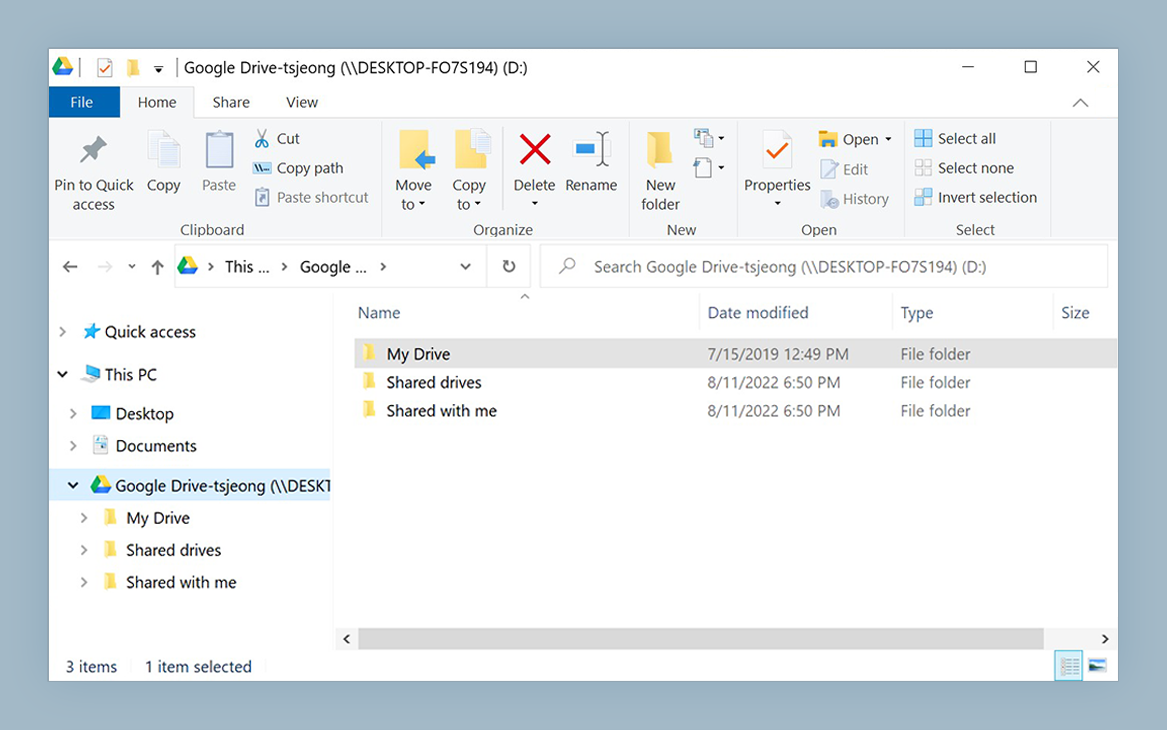
Mount Google Drive on Ubuntu
NetDrive lets Google Drive, OneDrive, S3, SFTP, WebDAV and more appear as native drives on Windows and macOS — no syncing, no full downloads.
- Runs on Ubuntu 16.04 and later
- Personal and Google Workspace accounts, Team Drives included
- Files stream on demand — no full local copy needed
Free trial. Lifetime and subscription plans available.
Why Mount Instead of Syncing a Local Copy
A sync client’s job is to keep a full local mirror up to date, which means downloading everything before you can use any of it — fine for a folder of documents, expensive for a dataset measured in hundreds of gigabytes that a build server only ever touches a few files from at a time. Mounting skips that step: NetDrive resolves reads and writes against the Google Drive account directly through the mount point, so cat, cp, or a Python open() call gets the current remote file without a prior download pass.
Google Drive has been supported since NetDrive’s first release, and Team Drive access has been enabled by default since version 3.1.218 — useful if the dataset in question lives in a shared team folder rather than someone’s personal Drive.
Installing NetDrive on Ubuntu
NetDrive for Linux isn’t in Ubuntu’s default package repositories, so installation goes through GitHub instead of apt:
- Go to github.com/NetDrive/installer and download the release matching your Ubuntu version.
- Follow the installer repository’s release notes for that version — a driver component needs to be installed before NetDrive can mount anything.
- Install the NetDrive package itself.
- Launch NetDrive. First run loads the driver component, which may prompt for
sudodepending on your system’s permission setup.
The minimum supported version is Ubuntu 16.04, and updates ship as GitHub releases rather than through apt upgrade — worth a line in whatever runbook covers the box. Support here carries the same experimental label NetDrive’s own comparison page uses for Linux generally; Windows and macOS get the bulk of the testing.
Step-by-Step: Connect Google Drive on Ubuntu
- Open NetDrive’s Drive Manager and click + Add Drive.
- Select Google Drive from the list of connection types.

- Sign in through the OAuth flow that opens in your default browser. A headless Ubuntu box without a browser installed needs an X-forwarded session, or the one-time authorization can be completed from another machine on the same account.
- Include Team Drives if prompted — this has been the default behavior since NetDrive 3.1.218, so a shared team folder should appear alongside your personal Drive without extra configuration.
- Set a mount point — a path like
/mnt/gdrive, or any empty directory you have write access to. - Click Connect. NetDrive authenticates and mounts the account at that path.
Verifying the Mount Before You Depend On It
Confirm the mount actually took from a terminal rather than trusting the GUI alone — reasonable due diligence on an experimental build, and worth doing before pointing a script at the path:
# Confirm the mount is listed
mount | grep gdrive

# Or just try listing it
ls /mnt/gdrive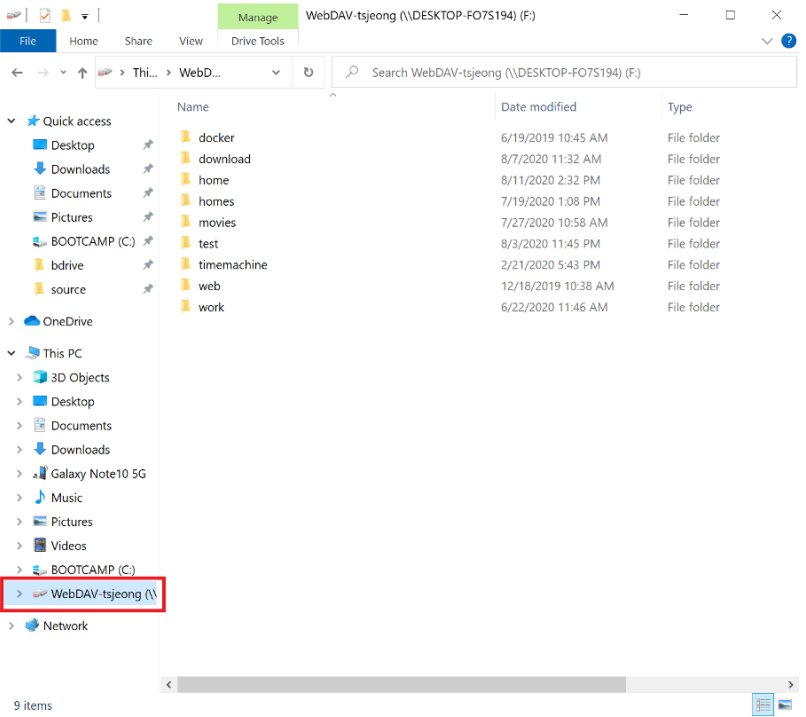
If nothing shows up, re-check the OAuth step first — an interrupted browser flow is the most common reason a Google Drive connection fails to finish on a headless box, ahead of anything mount-point related.
What to Plan Around on the Linux Build
- Separate release cadence — the Linux driver component is maintained on its own schedule, so a fix on Windows or macOS doesn’t automatically land on Linux the same week.
- No
aptintegration — installation and updates go through GitHub releases rather than Ubuntu’s default package repositories. - Recommended primary platforms — NetDrive’s own guidance treats Windows and macOS as the hardened, production-ready targets. A training pipeline box or a dev machine that occasionally reads from Drive is a reasonable fit; an unattended production job is worth testing thoroughly first.
Wrap-up
Mounting Google Drive on Ubuntu gets a headless box the same drive-style access NetDrive provides on Windows and macOS, through an installer that lives on GitHub instead of apt. For the broader Linux picture, see NetDrive on Ubuntu Linux; for the same provider on a more heavily tested platform, see Mount Google Drive on Windows 11; and for another connection type on the Linux build, see Mount an SFTP Server on Linux.
— Casey, NetDrive