Cache Size Options in NetDrive — Tuning for Large Cloud Libraries

NetDrive lets you set a local cache size between 100 GB and 1 TB and manually report drive space to the OS. Here's when to raise it and why it matters.
A photo studio mounts a 2 TB Backblaze B2 bucket of RAW files through NetDrive so editors can browse and pull assets without syncing the whole library locally. A few weeks in, someone opens a batch of 45 MB CR3 files back to back and the drive stalls — the default cache fills faster than expected for that kind of session. The fix isn’t a workaround; it’s a setting most people never open.
Tune NetDrive's cache for your library size
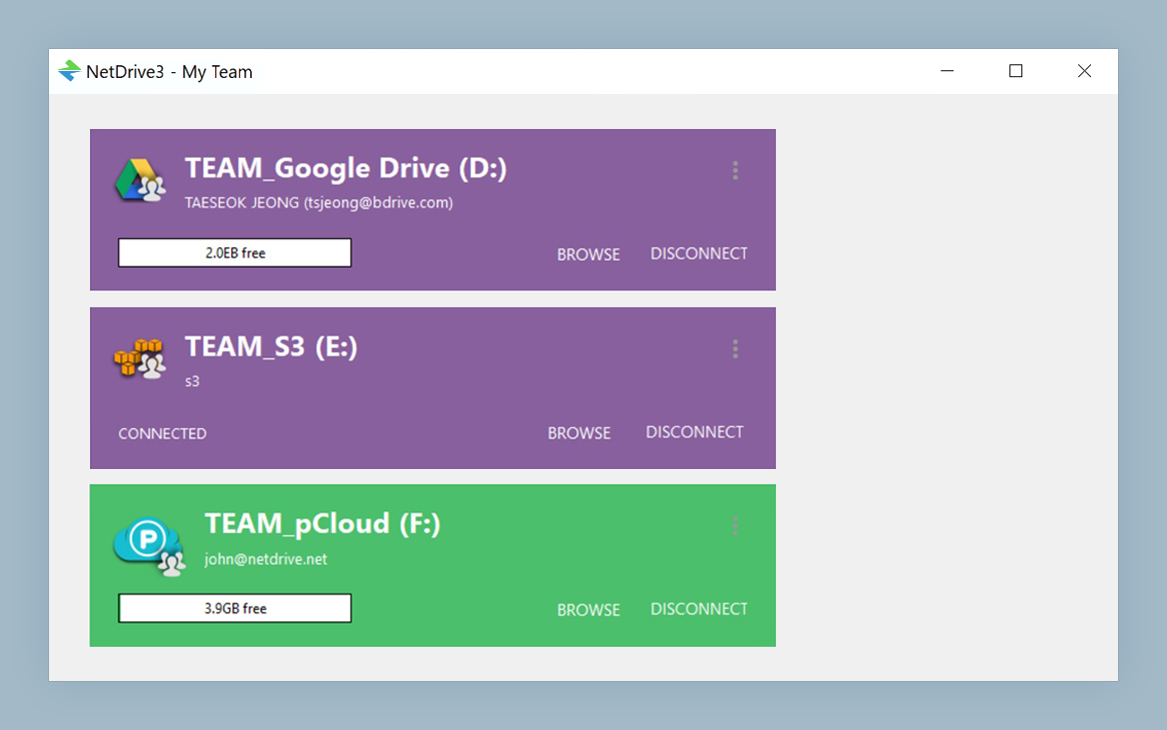
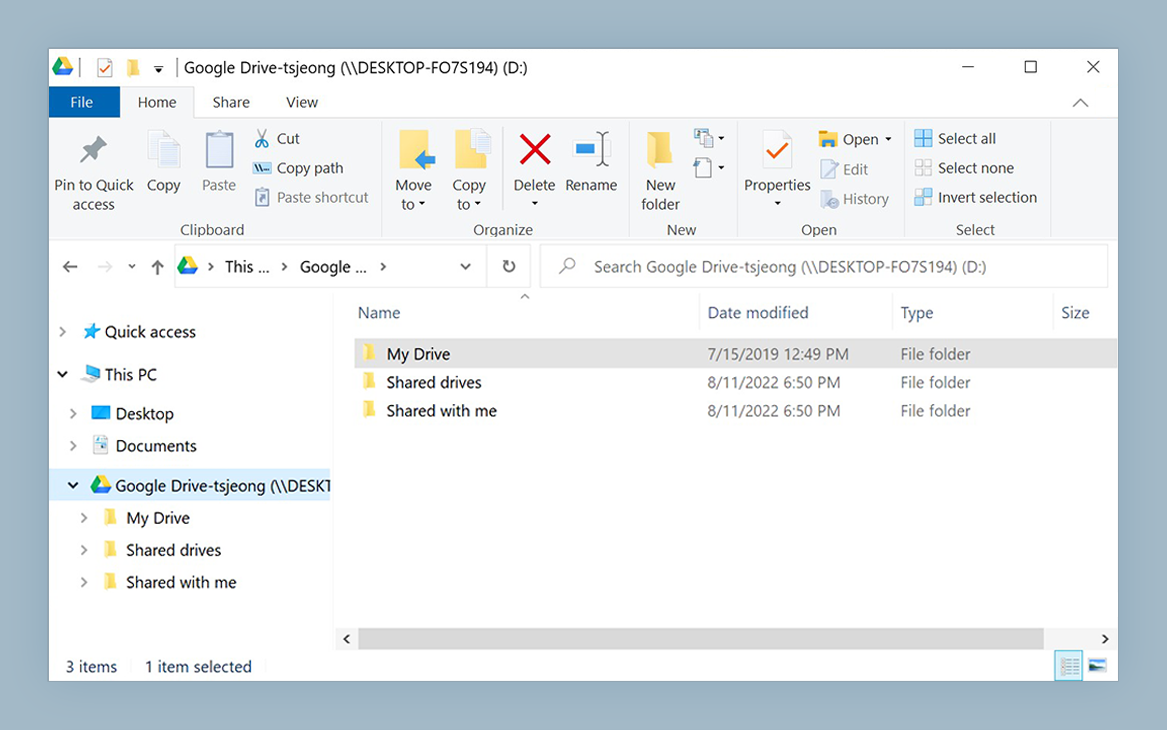
NetDrive lets Google Drive, OneDrive, S3, SFTP, WebDAV and more appear as native drives on Windows and macOS — no syncing, no full downloads.
- Cache size adjustable from 100 GB to 1 TB
- Manual drive space reporting for apps that check free space first
- Works the same way across every mounted provider
Free trial. Lifetime and subscription plans available.
Why the Default Cache Size Runs Out
NetDrive keeps a local cache of files you access through a mounted drive so repeated reads and in-progress edits don’t have to round-trip to the cloud provider every time. That works well for typical office documents and photos, but it runs into limits with workloads that touch a lot of data in one sitting — a video editor scrubbing through several 4K masters, a batch photo import, or a build process pulling gigabytes of artifacts from S3.
When the cache fills up, NetDrive has to evict older cached data to make room for new reads, which shows up as the drive feeling slower mid-session even though nothing changed about your network connection. Since NetDrive 3.16.589, the cache size itself is configurable, which is the direct fix for this pattern.
Setting Cache Size Between 100 GB and 1 TB
The cache size option lives in NetDrive’s settings and applies globally across every drive you have mounted, not per-connection:
- Open NetDrive and go to Settings.
- Find the Cache section.
- Set the cache size — NetDrive accepts values from 100 GB up to 1 TB.
- Save and remount your drives for the new limit to take effect.
There’s no single right number — it depends on how much of your working set you touch in a normal session. A rule of thumb: size the cache to comfortably hold whatever you’d actively work with in a day, not your entire cloud library. A video editor scrubbing 800 GB of 4K masters benefits from pushing toward the 1 TB ceiling; someone using NetDrive mainly for occasional document access can leave it well below that without noticing a difference.
Manual Drive Space Reporting
A related but separate setting, available since NetDrive 3.8.921, lets you manually specify how much free space NetDrive reports for a mounted drive. This matters because some applications check available disk space before allowing a save or export, and will refuse to write if the reported free space looks too low — a common issue when a cloud provider’s actual remaining quota is reported in a way a desktop app doesn’t expect.
Setting a manual drive space value in the drive’s configuration overrides what gets reported to Windows or macOS, so file-save dialogs and export tools see a number they’re willing to work with. This is independent of the cache size setting above — one controls how much is cached locally, the other controls what the OS is told about available space on the mounted volume.
Sizing Cache for Different Workloads
Video editing with large masters. Editors working directly off cloud-mounted 4K or RAW footage benefit most from a larger cache, since scrubbing and re-opening the same clips repeatedly is exactly the pattern that empties a small cache fast.
CI runners pulling S3 fixtures. A build agent that reads the same set of test fixtures from S3 on every run doesn’t need anywhere near 1 TB — a smaller cache sized to the fixture set avoids wasting disk on the build machine while still getting the benefit of not re-downloading unchanged files every run.
General office and document use. Most day-to-day document and spreadsheet access barely touches the default cache ceiling; there’s rarely a reason to raise it for this pattern.
Wrap-up
Cache size is one of the settings people skip past during initial setup and only discover after hitting a slowdown mid-project. If your workflow involves large media files, batch imports, or high-volume automated reads, checking this setting before you start — rather than after the drive stalls — saves the troubleshooting step entirely.
Related: 4K RAW Video Editing on Cloud Storage with NetDrive · DevOps S3 Test Fixtures with NetDrive · Fix Slow S3 Directory Listing in NetDrive
— Alex, NetDrive