Mount Azure File Storage on Linux — NetDrive on Ubuntu

Mount an Azure File Storage SMB share as a Linux mount point with NetDrive's experimental Ubuntu build — Azure Portal setup, authentication, and verification.
A build server migrated its config repository off an aging on-prem file share and onto Azure File Storage, and now every job that used to read /mnt/configs/*.yaml with plain shell commands needs a different answer. Rewriting each script around the Azure SDK is one option. Mounting the share as an ordinary Linux path so the existing cat, cp, and find calls keep working unchanged is the other — that’s what NetDrive’s Linux build does.
Mount Azure File Storage on Ubuntu
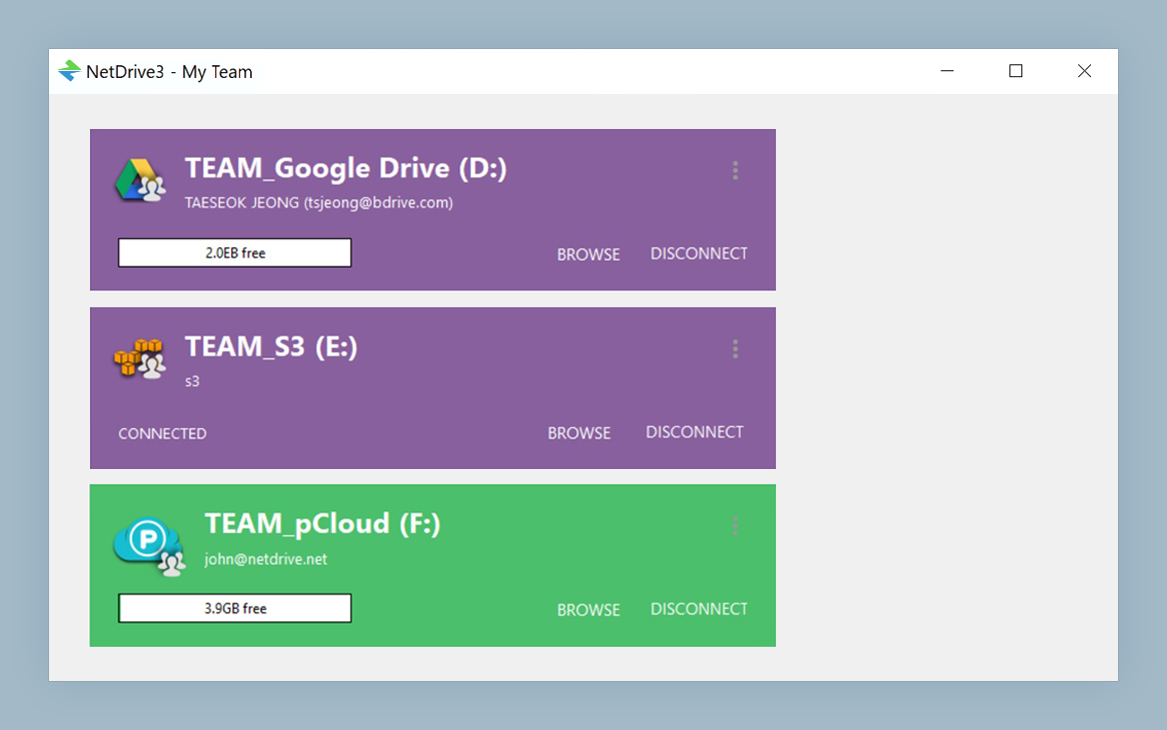
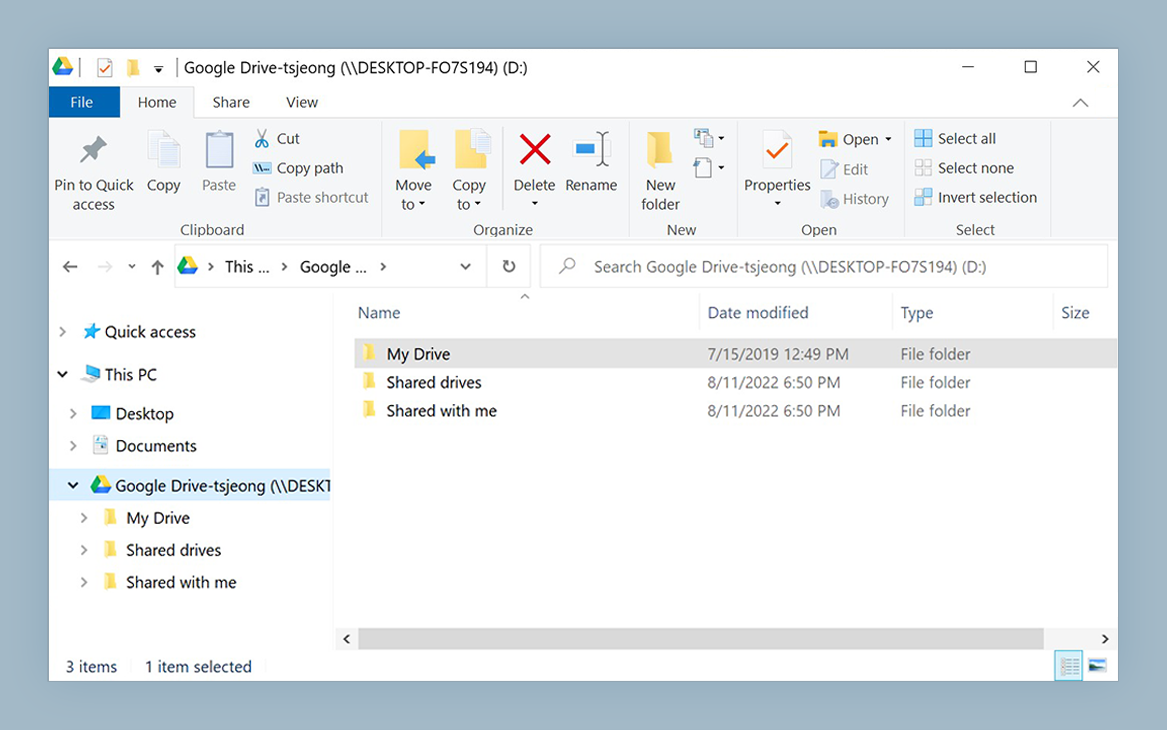
NetDrive lets Google Drive, OneDrive, S3, SFTP, WebDAV and more appear as native drives on Windows and macOS — no syncing, no full downloads.
- Runs on the NetDrive experimental Ubuntu build
- Existing shell scripts and cron jobs read the share as a normal path
- Background uploads so large file writes do not block the calling process
Free trial. Lifetime and subscription plans available.
Azure File Storage, Not Azure Blob
NetDrive lists Azure File Storage and Azure Blob Storage as two separate connection types, and mixing them up wastes a setup attempt. Blob Storage is object storage — good for logs, backups, and static assets accessed through an API. File Storage is a fully managed SMB share: the same shape of thing a traditional file server exposes, just hosted in Azure. If a team “lifted and shifted” an on-prem file server into Azure, File Storage is almost always the connection type that matches it.
Both were added to NetDrive in the same release, 3.11.204 (2020-07-22). On Linux, the connection runs on NetDrive’s experimental Ubuntu build rather than the more heavily tested Windows and macOS releases — worth knowing before pointing an unattended production job at it, since Linux carries an “experimental” label on NetDrive’s own comparison page.
What You Need From the Azure Portal
Collect three values before opening NetDrive:
- Storage account name — the overview page of the Storage account resource in the Azure Portal.
- Access key — under the storage account’s Security + networking → Access keys. Either
key1orkey2works; NetDrive only needs one. - File share name — under Data storage → File shares, the exact name of the share you want mounted.
If your organization has disabled access-key auth, generate a Shared Access Signature (SAS) token scoped to the File service instead, with at least Read, Write, List, Create, and Delete permissions, and use it in place of the access key.
You’ll also need Ubuntu 16.04 or later, with outbound access open to the Azure Storage endpoint on the box’s firewall — SMB-over-Azure traffic is blocked by some corporate networks and cloud security groups by default.
Installing NetDrive on Ubuntu
NetDrive for Linux is distributed as a GitHub release rather than through apt:
- Go to github.com/NetDrive/installer and download the build matching your Ubuntu version.
- Read that release’s notes before installing — a driver component has to load before any connection will mount.
- Install the package, then launch NetDrive once so the driver loads. This may prompt for
sudo.
Step-by-Step: Connect an Azure File Share
- Open NetDrive’s Drive Manager and click + Add Drive.
- Select Azure File Storage from the provider list — not Azure Blob Storage.
- Enter the Storage Account name and Access Key (or SAS token) collected from the portal.
- Enter the Share name exactly as it appears under File shares in the portal.
- Set a mount point, for example
/mnt/azure-configs, and click Connect.
Verifying the Mount Before a Job Depends On It
Before pointing a cron job or CI step at the new path, confirm it actually mounted:
# Confirm the mount is listed
mount | grep azure-configs

# Or just list its contents
ls /mnt/azure-configs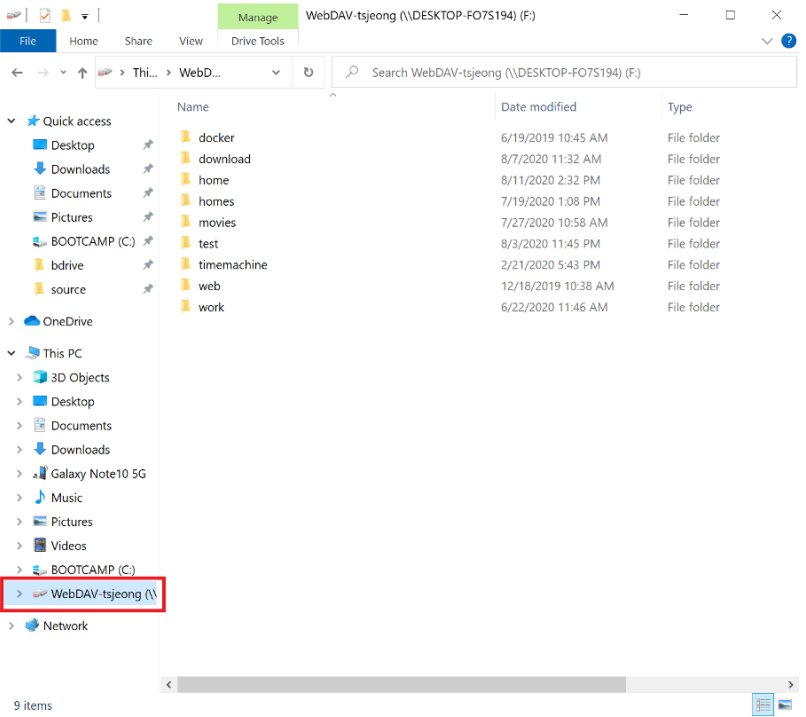
If the mount point is empty or never appears, check outbound firewall rules for the Azure Storage endpoint before suspecting the access key — a blocked port produces the same “nothing here” symptom as a bad credential, and it’s the more common cause on locked-down build servers.
What to Plan Around on the Linux Build
- A separate release cadence. Fixes and features that ship for Windows or macOS don’t automatically land on the Linux build in the same window.
- No
aptintegration. New versions come from GitHub releases, not a package manager, so tracking updates is a manual step for whoever owns the box. - Windows and macOS get the deeper testing. A config-file share read by a handful of scripts is a reasonable fit for the Linux build. Test the specific workload — large file writes, concurrent readers, whatever the job actually does — before putting an unattended production pipeline behind it unsupervised.
Wrap-up
Mounting an Azure File Storage share on Ubuntu gives a Linux box the same drive-style access NetDrive provides on Windows and macOS, without rewriting scripts around the Azure SDK or a manual SMB client setup. For the same connection type on more heavily tested platforms, see Mount Azure File Storage on Windows or Mount Azure File Storage on macOS; for object storage instead of a file share, Mount Azure Blob Storage on Linux covers that connection type. For the broader Linux picture, see NetDrive on Ubuntu Linux.
— Kai, NetDrive