Fix OneDrive for Business Authentication Errors — NetDrive

Diagnose and fix OneDrive for Business sign-in failures in NetDrive on Windows. Covers MFA prompts, conditional access blocks, and tenant policy issues.
An IT manager at a 200-person professional services firm spent an afternoon chasing a NetDrive issue: twelve workstations could not mount their OneDrive for Business shares after the company’s Azure AD admin enabled conditional access policies. Every machine showed “Authentication failed” — same credentials, same NetDrive version, same Windows build as the day before. The root cause was not in NetDrive at all, but this guide will help you identify whether it is, and fix it either way.
Mount OneDrive for Business as a native Windows drive
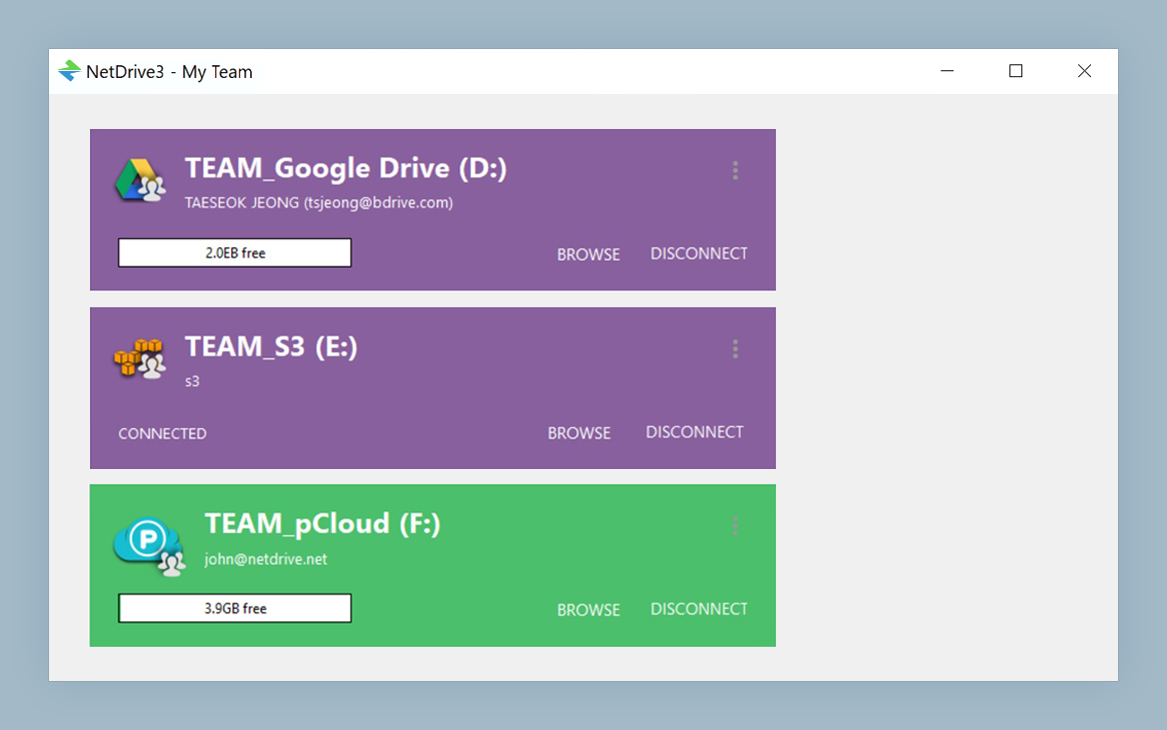
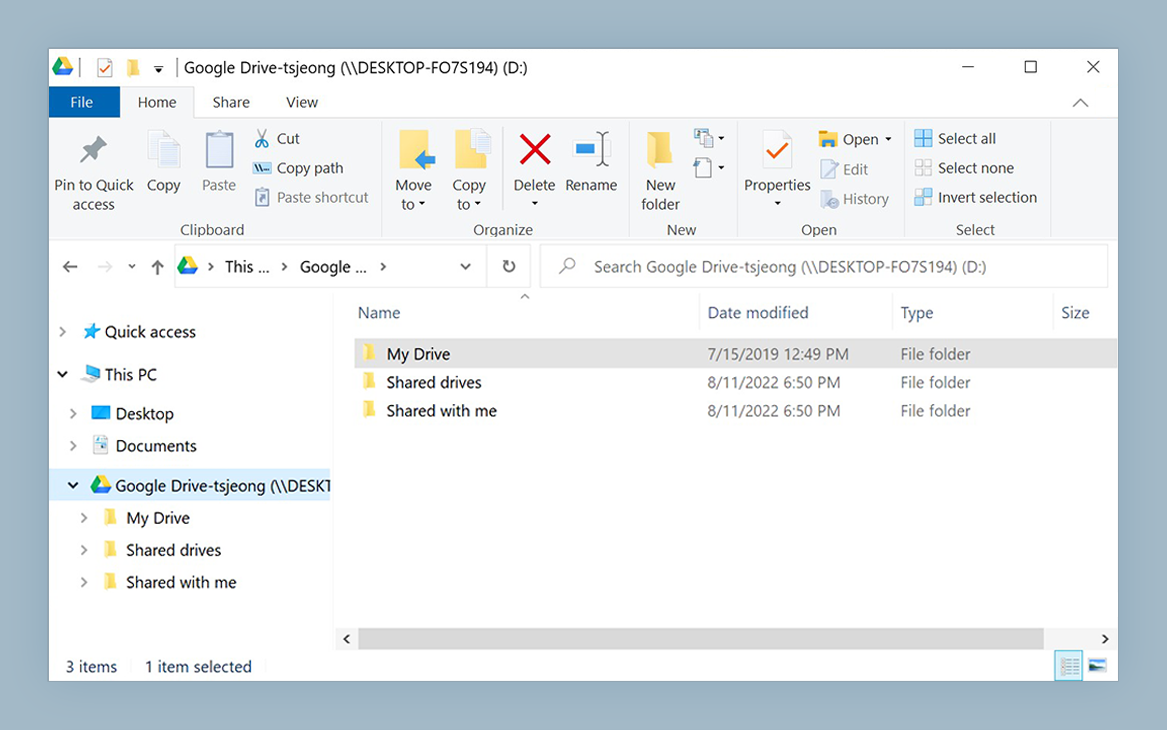
NetDrive lets Google Drive, OneDrive, S3, SFTP, WebDAV and more appear as native drives on Windows and macOS — no syncing, no full downloads.
- Works with personal and Microsoft 365 work accounts
- OneDrive for Business and SharePoint both supported
- Available on Windows and macOS
Free trial. Lifetime and subscription plans available.
Why OneDrive for Business Authentication Fails
NetDrive connects to OneDrive for Business through OAuth 2.0 — the same modern authentication flow used by the official OneDrive desktop client and the browser. When that flow fails, the cause almost always falls into one of three categories:
Conditional access policy blocks the sign-in. Azure AD administrators can restrict OAuth logins to compliant devices, enrolled machines, specific IP ranges, or named network locations. When NetDrive’s token request originates from a device or location outside the policy’s allowed scope, Azure AD rejects the request before NetDrive receives any token. The error message is a generic “Authentication failed” because OAuth clients do not receive the specific policy name that blocked them — that detail lives only in the Azure AD sign-in logs.
The MFA prompt did not complete. NetDrive opens a browser window for the interactive sign-in step. If the user closes that window before completing the multi-factor authentication prompt, or the browser times out, the OAuth authorization code is never returned. NetDrive treats the missing response as a failure.
Tenant-level Enterprise Application restrictions. Some organizations require administrator pre-approval before users can grant OAuth consent to third-party applications. If your tenant has that setting enabled, NetDrive’s application ID may not be on the approved list.

Step-by-Step Diagnosis
Work through these in order — each check takes under two minutes.
-
Test with a personal Microsoft account. In NetDrive’s Drive Manager, add a new OneDrive drive using a personal
@outlook.comor@hotmail.comaccount that has no corporate policies attached. If that signs in without issue, the problem is your tenant’s Azure AD configuration, not NetDrive itself. -
Pull the sign-in logs from Azure AD. In the Azure portal → Azure Active Directory → Sign-in logs, filter by the affected user’s email and set the time range to the last hour. Look for failed entries. The Failure reason column names the exact conditional access policy or error that blocked the request — for example, “Device is not compliant” or “Application not found in tenant.”
-
Try from an Intune-enrolled device. If the sign-in log reports a device compliance failure, connect to NetDrive from a machine that is enrolled in your organization’s Intune policy. If the sign-in succeeds there, the fix is to enroll the original workstation — not to change NetDrive’s settings.
-
Re-run the MFA flow from scratch. In the Drive Manager, remove the existing OneDrive for Business connection entirely, then re-add it. When the browser window appears for sign-in, stay with it — complete the MFA prompt before switching to any other application. If your MFA app is on a phone, have it open before you click Connect.
-
Check Enterprise Application consent in Azure AD. Ask your Azure AD admin to open Azure Active Directory → Enterprise Applications, search for NetDrive, and verify that user consent is allowed or that admin consent has been granted for your tenant. If tenant-wide consent has been restricted, the admin needs to explicitly grant it.
Resolving a Conditional Access Block
When the Azure AD sign-in logs confirm that a conditional access policy is the blocker, you have two paths forward:
Enroll the device (recommended). Join the workstation to your company’s Intune or Hybrid Azure AD enrollment. This satisfies most device-compliance conditional access policies without creating any policy exceptions and is the right long-term solution for company-managed machines.
Add a policy exclusion (faster, use carefully). In Azure AD → Conditional Access, open the blocking policy and add the affected user account or workstation to the exclusions list. This bypasses a security control — confirm with your security team before applying and document the exception.
After the policy is resolved or an exemption is in place, re-authenticate in NetDrive. The Drive Manager shows the OneDrive for Business drive as Connected within a few seconds of the OAuth flow completing successfully.
Wrap-up
OneDrive for Business authentication failures in NetDrive are almost always caused by Azure AD policies, not by NetDrive itself. Pulling the sign-in logs from the Azure portal takes two minutes and identifies the exact policy at fault — which is almost always faster than reinstalling NetDrive or rolling back Windows updates. If authentication works but you are struggling with SharePoint document libraries, see Mount SharePoint on Windows with NetDrive for the SharePoint-specific connection setup.
— Morgan, NetDrive