Fix Azure File Storage Authentication Errors — NetDrive

An Azure File Storage drive that worked all week suddenly fails to authenticate in NetDrive. Check SAS token expiry, account key rotation, and share-level access before rebuilding it.
An IT admin manages five Azure File Storage shares mounted as drive letters on a Windows Server RDS host — one per department, each lifted from an old on-prem file server. On Monday morning, the Finance share throws an authentication error in NetDrive while the other four reconnect normally. Nothing in the mount configuration changed since Friday, which usually means the credential or the share itself moved, not NetDrive.
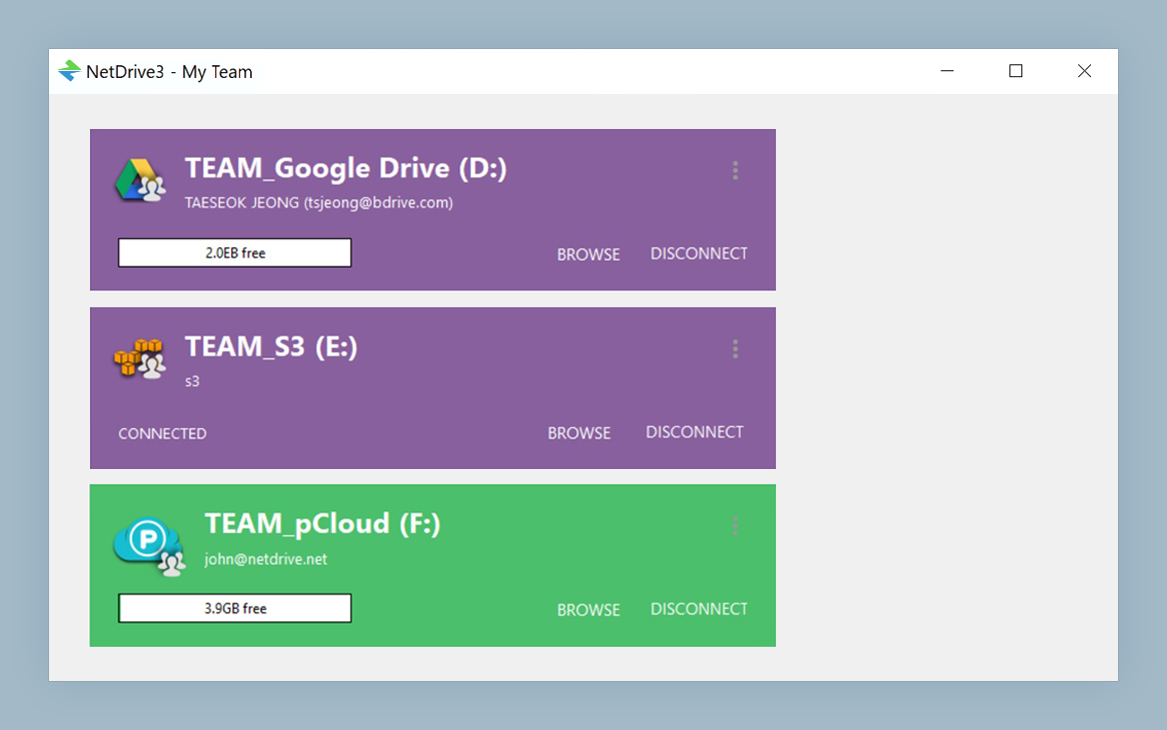
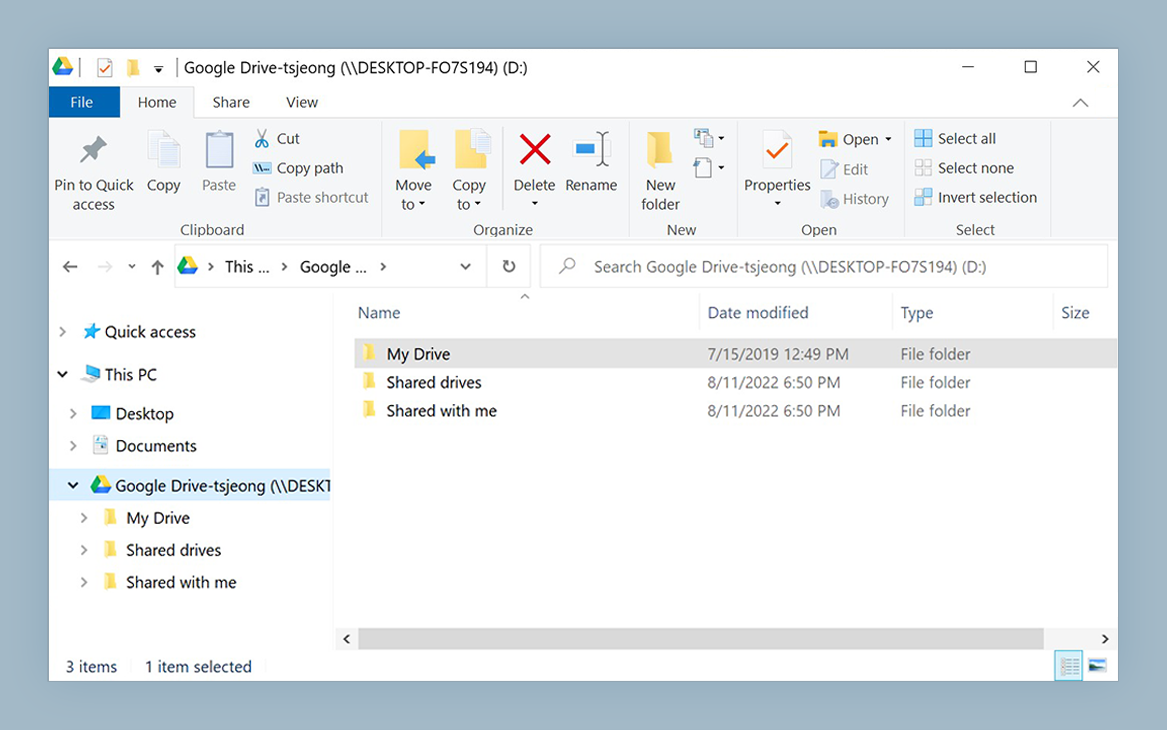
Mount Azure File Storage as a persistent drive letter
NetDrive lets Google Drive, OneDrive, S3, SFTP, WebDAV and more appear as native drives on Windows and macOS — no syncing, no full downloads.
- Connect with an account key or a scoped SAS token
- Auto-mount at boot keeps the share ready before login
- Team license lets an admin push credentials to every machine
Free trial. Lifetime and subscription plans available.
Azure File Storage vs. Azure Blob — Same Error, Different Cause
NetDrive treats Azure File Storage and Azure Blob Storage as separate connection types, and their authentication failures come from slightly different places. Blob Storage points at a container; File Storage points at a named SMB-style file share underneath a storage account. A drive built on File Storage needs three values to reconnect correctly — storage account name, credential (account key or SAS token), and the exact share name — so there are three places a “worked last week, not today” failure can originate.
Check 1: SAS Token Expiry or a Rotated Account Key
This is the most common cause and the quickest to rule out.
- In the Azure Portal, open the storage account behind the failing drive and check which credential type it’s configured with.
- SAS token: go to Security + networking → Shared access signature and confirm the Expiry date hasn’t passed. A token generated at setup with a 90-day expiry silently stops working three months later with no warning beforehand.
- Account key: go to Security + networking → Access keys and check whether key1 or key2 was regenerated recently — often by another admin rotating credentials as routine hygiene, without realizing four other services still reference the old value.
- Generate a fresh SAS token scoped to the File service (with at minimum Read, Write, List, Create, Delete permissions) or copy the current account key.
- Open NetDrive → click the gear icon on the affected drive in Drive Manager to open its connection settings, paste the new credential, and click Save.
Check 2: Storage Account Firewall Rules
If the credential checks out and the drive still won’t authenticate, the storage account’s network rules are next.
- In the Azure Portal, open Networking → Firewalls and virtual networks for the storage account.
- If it’s set to Enabled from selected virtual networks and IP addresses rather than All networks, Azure rejects the connection attempt before it evaluates the credential at all — which looks identical to a bad key from NetDrive’s side.
- Confirm the machine’s current public IP and add it to the allowed range, or relax the rule if IP-based restriction isn’t required for that share.
A machine on a residential or branch-office connection with a dynamic IP is a repeat offender here: the rule was correct when it was added, and the ISP has since handed out a different address.
Check 3: The Share Was Renamed or Removed
Unlike a Blob container, a File Storage share can be renamed, deleted, and recreated under the same storage account without the storage account’s own credentials changing — which means the account key or SAS token still authenticates fine, but NetDrive can’t find the share it was originally pointed at. In the Azure Portal, go to Data storage → File shares on the storage account and confirm the share name matches exactly what’s entered in NetDrive’s connection settings, including case. If the share was recreated after being deleted, update the share name field in NetDrive even if every other credential is unchanged.
Confirming the Fix
After updating the credential, firewall rule, or share name, reconnect the drive and check that it’s actually serving files rather than just showing “Connected” in the drive list.
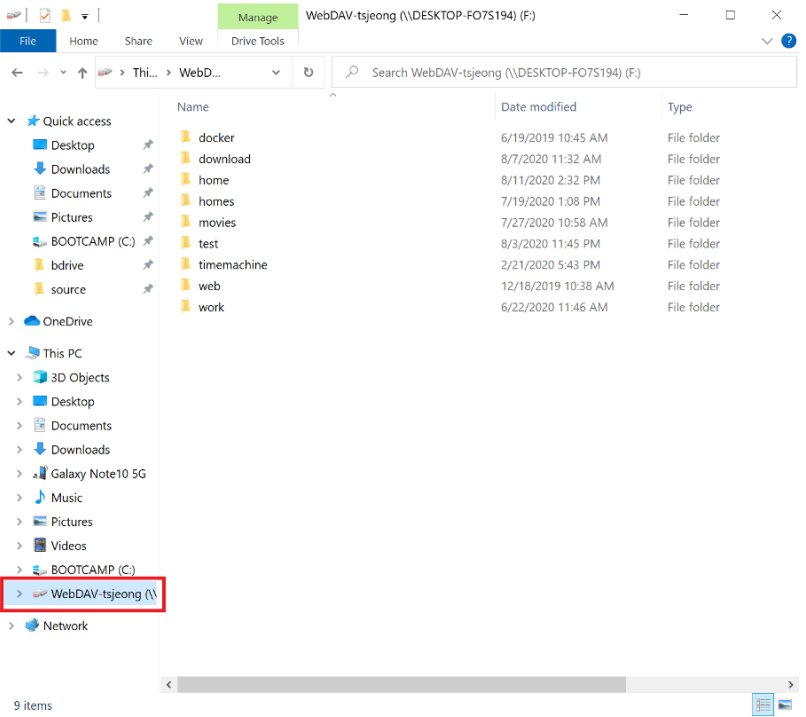
Open the drive in Explorer and list a folder with files you recognize. If the listing populates and a file opens without error, the credential, the network path, and the share name are all correct.
Wrap-up
Azure File Storage authentication failures in NetDrive trace back to an expired SAS token, a rotated account key, a storage firewall rule, or a renamed share far more often than a typo in the original setup — check credentials before networking since they’re quicker to rule out. For the initial connection walkthrough, see Mount Azure File Storage on Windows with NetDrive; if the drive in question actually uses Blob containers instead of a file share, fixing Azure Blob authentication errors covers that equivalent case.
— Casey, NetDrive