Mount an FTP Server on Linux — NetDrive Setup Guide

Mount an FTP server as a regular mount point on Ubuntu with NetDrive's experimental Linux build, from GitHub install to passive-mode troubleshooting.
A build server on Ubuntu needs to pull assets off a legacy FTP host that predates anything your team would choose today, and rewriting the deploy script around curl or lftp isn’t worth the afternoon. NetDrive’s Linux build mounts that same FTP server at a normal mount point, so /mnt/legacy-ftp/ behaves like any other directory to cp, ls, or a Python script that just calls open().
Mount an FTP server on Ubuntu
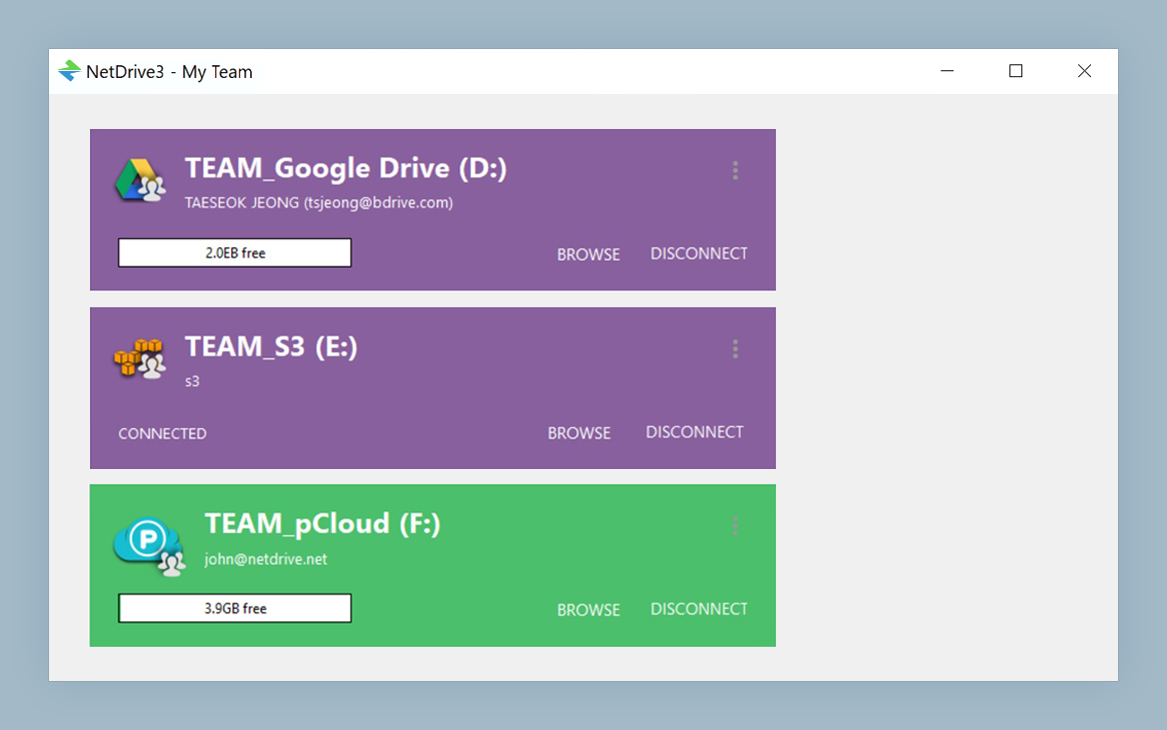
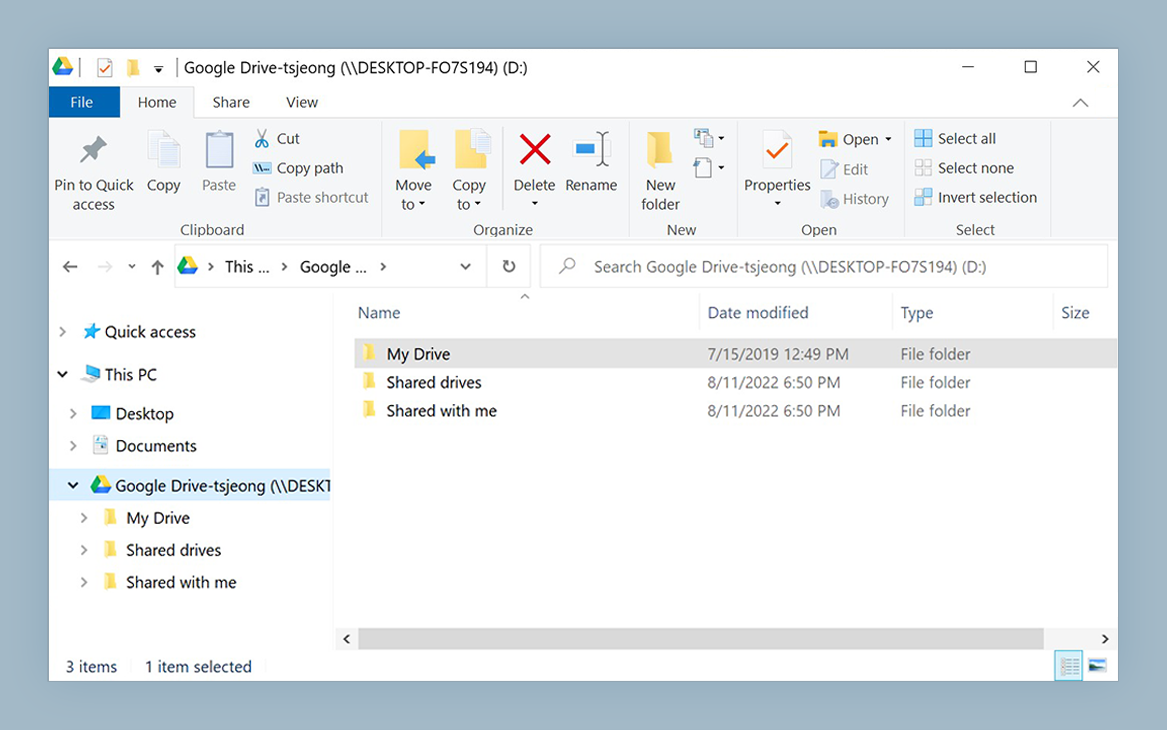
NetDrive lets Google Drive, OneDrive, S3, SFTP, WebDAV and more appear as native drives on Windows and macOS — no syncing, no full downloads.
- Runs on Ubuntu 16.04 and later
- Credential or anonymous FTP, both supported
- Read and write through a normal mount point — no client window to babysit
Free trial. Lifetime and subscription plans available.
Why Mount Instead of Scripting Around FTP
A standalone FTP client works fine for a one-off download, but it doesn’t give a script or a build tool anything it can point a normal file path at. Every read means opening the client, finding the file, and pulling it down manually first. Mounting the server through NetDrive removes that step: the mount point resolves directly against the FTP server, so cat /mnt/legacy-ftp/release-notes.txt reads the live file instead of a copy someone remembered to download last week.
NetDrive has supported FTP since its first 3.x release, and credential-optional connections — for anonymous-access servers such as internal mirrors or distribution shares — have worked since version 3.7.687. On Linux specifically, that means the same connection type available on Windows and macOS, running through NetDrive’s Ubuntu build instead.
Installing NetDrive on Ubuntu
NetDrive for Linux ships outside Ubuntu’s default repositories, so setup goes through GitHub rather than apt:
- Go to github.com/NetDrive/installer and grab the release matching your Ubuntu version.
- Follow that repo’s release notes for your version — a driver component installs before NetDrive can mount anything.
- Install the NetDrive package.
- Launch NetDrive. First run loads the driver component, which may prompt for
sudodepending on your system’s permission setup.
The minimum supported version is Ubuntu 16.04, and Linux carries the same experimental label NetDrive’s own comparison page uses for it — Windows and macOS get the bulk of the testing, so validate against your distro and workload before an unattended pipeline depends on the mount staying up.
Step-by-Step: Connect an FTP Server on Ubuntu
- Open NetDrive’s Drive Manager and click + Add Drive.
- Select FTP from the list of connection types.

- Enter the server address — hostname or IP — and the port. FTP defaults to
21; some hosts run on a non-standard port instead. - Enter credentials, or leave username and password blank for a server that allows anonymous FTP.
- Set a mount point — a path like
/mnt/legacy-ftp, or any empty directory you have write access to. - Click Connect. NetDrive authenticates and mounts the server at that path.
Verifying the Mount Before You Depend On It
Check the mount from a terminal rather than trusting the GUI alone — a reasonable habit on an experimental build, and worth doing before a script assumes the path is there:
# Confirm the mount is listed
mount | grep legacy-ftp

# Or just try listing it
ls /mnt/legacy-ftp
If the connection never completed, check reachability first — a wrong hostname or a blocked port accounts for most FTP connection failures on Linux boxes sitting behind a firewall:
# Basic reachability
ping ftp.example.com

# Is the FTP control port actually open?
nc -zv ftp.example.com 21
Common Snags on This Setup
- Directory listing hangs: most FTP servers behind NAT or a home router need passive mode (PASV) for the data connection — in active mode, the server tries to connect back to your machine, which firewalls typically block. Check your server’s docs for enabling passive mode and opening the passive port range.
- Slow listings on large directories: folders with thousands of files list faster if the server supports the MLSD command (modern FTP listing) instead of the older LIST format.
- No package manager integration: updates come from GitHub releases, not
apt upgrade— worth a line in whatever runbook covers this box, since checking for a new version is a manual step here.
Wrap-up
Mounting FTP on Ubuntu gets the same drive-style access NetDrive provides on Windows and macOS, through an installer that lives on GitHub instead of a package repository. If the same server also speaks SFTP, that’s the better choice for anything crossing the public internet — see Mount an SFTP Server on Linux — NetDrive Setup Guide. For the broader picture of running NetDrive on Ubuntu, see NetDrive on Ubuntu Linux.
— Alex, NetDrive