Mount SharePoint on Linux — NetDrive's Experimental Build

Mount a SharePoint document library as an Ubuntu mount point using NetDrive's experimental Linux build. Covers OAuth sign-in, async listing, and verification steps.
An engineering team runs its build servers and half its dev workstations on Ubuntu, but the rest of the company is on Windows and keeps architecture docs, vendor contracts, and onboarding material in a SharePoint document library. Right now, checking a spec from a Linux box means opening a browser tab and downloading the file by hand, or pinging a Windows-using teammate to paste its contents into Slack. NetDrive’s Linux build mounts that same SharePoint library as a regular Ubuntu mount point, so cat, less, or a script’s open() call reaches the live document directly.
Mount Your SharePoint Library on Linux
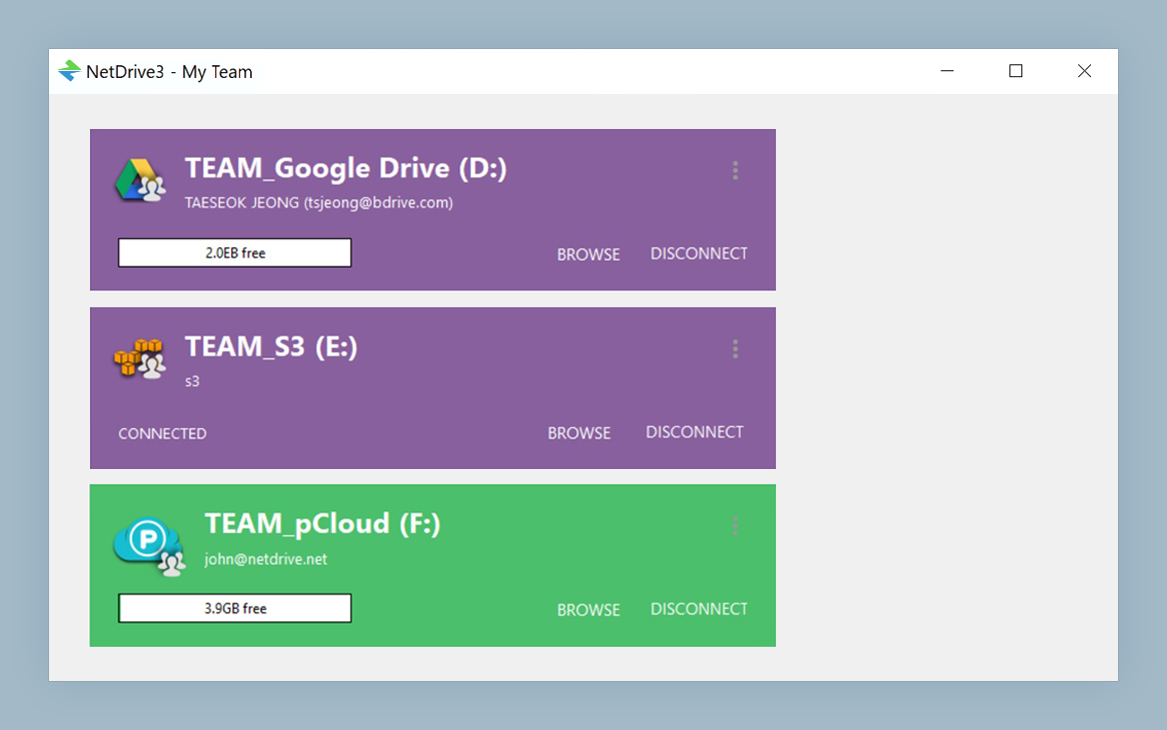
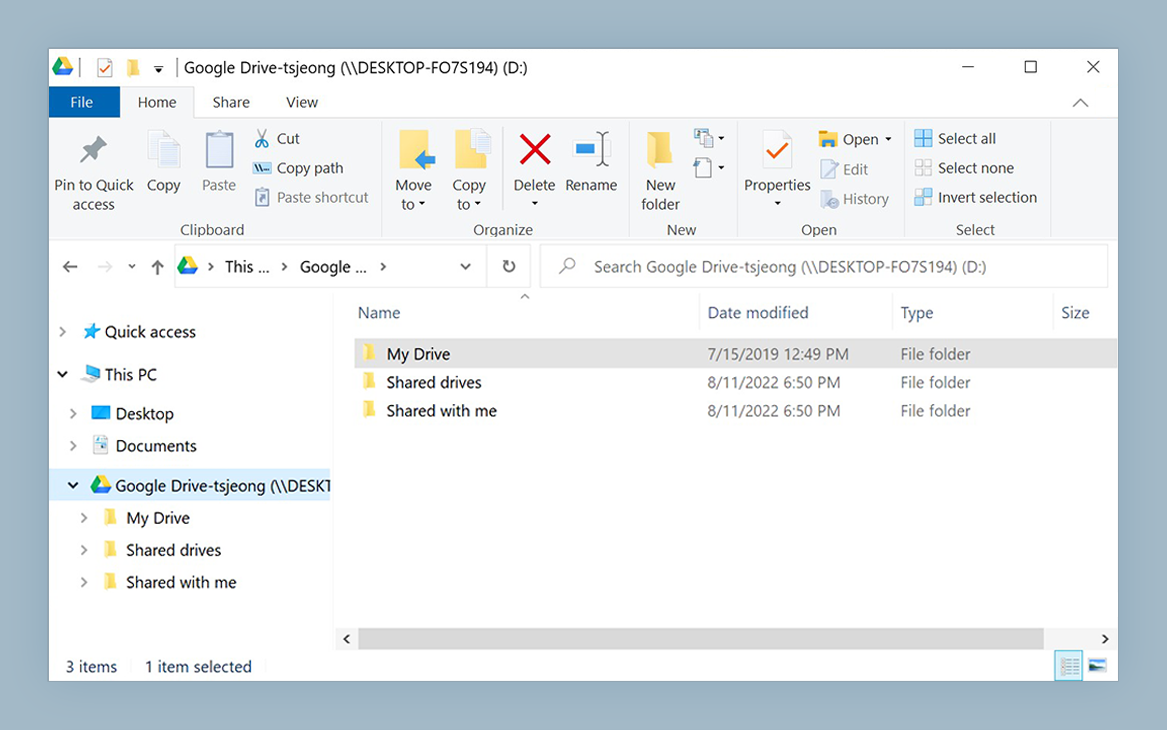
NetDrive lets Google Drive, OneDrive, S3, SFTP, WebDAV and more appear as native drives on Windows and macOS — no syncing, no full downloads.
- SharePoint document libraries appear as a regular Ubuntu mount point
- Files stream on demand — no sync client, no full download first
- Works with SharePoint for personal sites and SharePoint for Business
Free trial. Lifetime and subscription plans available.
Why Mount Instead of a Browser Tab
SharePoint’s own workflow assumes a browser or, on Windows, a sync client that downloads the library before you can touch any of it. Neither fits a Linux dev box that just needs to read one file at a time. NetDrive resolves reads directly against the SharePoint site through the mount point, so a build script opening a config template gets the current version without a manual export step.
SharePoint support has been in NetDrive since version 3.16.589 (March 2022). NetDrive 3.17.799 added asynchronous directory listing, which matters here: a SharePoint site with several thousand files in one library used to make the initial folder read slow, and async listing keeps that from blocking. Drive quota display was added in 3.16.667, so you can see how much of the site’s storage allocation is in use from the same drive view.
Installing NetDrive on Ubuntu
NetDrive for Linux isn’t in Ubuntu’s package repositories, so installation goes through GitHub:
- Go to github.com/NetDrive/installer and download the release matching your Ubuntu version.
- Follow that repository’s release notes — a driver component needs to install before NetDrive can mount anything.
- Install the NetDrive package itself.
- Launch NetDrive. First run loads the driver component, which may prompt for
sudo.
The minimum supported version is Ubuntu 16.04. Updates ship as GitHub releases rather than through apt upgrade, worth noting in whatever runbook covers the box. Linux carries the same experimental label NetDrive’s own comparison page uses across the board — Windows and macOS get the bulk of the testing, so treat a Linux SharePoint mount as suitable for a dev box or CI runner rather than something you’d stake a production pipeline on without first testing it yourself.
Step-by-Step: Connect SharePoint on Ubuntu
- Open NetDrive’s Drive Manager and click + Add Drive.
- Select SharePoint from the list of connection types — the same entry covers both personal SharePoint sites and SharePoint for Business.
- Sign in with Microsoft through the OAuth flow that opens in your default browser. On a headless Ubuntu box without a browser installed, use an X-forwarded session, or complete the one-time authorization from another machine signed into the same account.
- Enter your SharePoint site URL — it looks like
https://yourcompany.sharepoint.com/sites/LegalOps. Copy it from the address bar while viewing the site in a browser. - Set a mount point — a path like
/mnt/sharepoint, or any empty directory you have write access to. - Click Connect. NetDrive authenticates and mounts the library at that path.
Verifying the Mount Before You Depend On It
Confirm the mount actually took from a terminal rather than trusting the GUI alone:
# Confirm the mount is listed
mount | grep sharepoint

# Or just try listing it
ls /mnt/sharepoint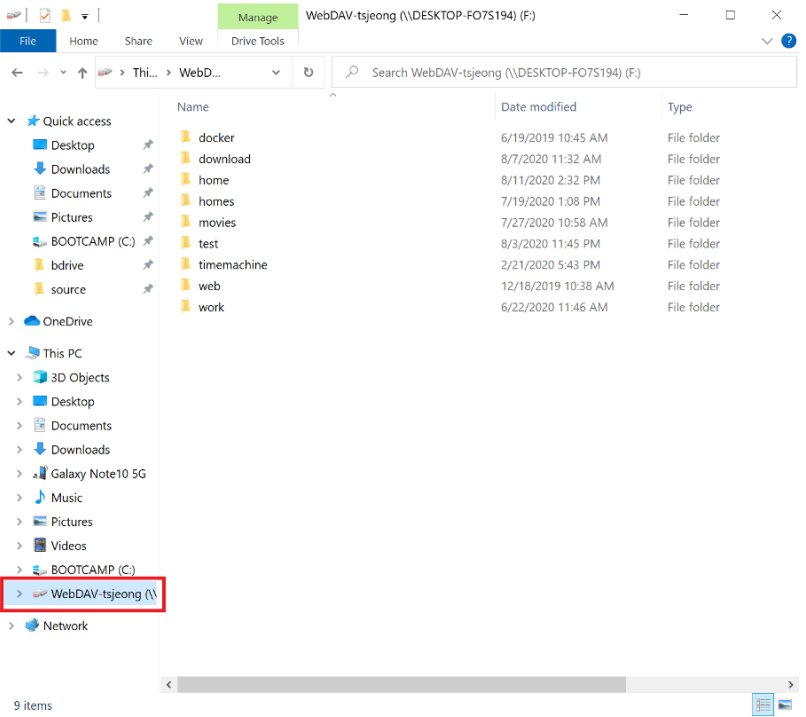
If the directory listing comes back empty on the first try, give it a moment before assuming the mount failed — a SharePoint site with a large library can take a few seconds to populate its root even with async listing enabled. If it’s still empty after that, re-check the OAuth step first; an interrupted browser flow is the most common reason a SharePoint connection fails to finish on a headless box.
What to Plan Around on the Linux Build
- Separate release cadence — the Linux driver component is maintained on its own schedule, so a fix that lands on Windows or macOS doesn’t automatically ship to Linux the same week.
- No
aptintegration — installation and updates go through GitHub releases, not Ubuntu’s default package manager. - Windows and macOS are the hardened targets — NetDrive’s own guidance treats them as production-ready; Linux is labeled experimental. A dev workstation or CI runner reading occasional files is a reasonable fit. An unattended production job depending on SharePoint access is worth testing thoroughly on your own hardware first.
Wrap-up
Mounting SharePoint on Ubuntu gets a Linux box the same drive-style access NetDrive provides on Windows and macOS, through an installer that lives on GitHub instead of apt. For the same provider on a more heavily tested platform, see Mount SharePoint on Windows with NetDrive or Mount SharePoint on macOS with NetDrive. For the broader Linux picture, see NetDrive on Ubuntu Linux.
— Steve, NetDrive