Mount Yandex Disk on Linux — NetDrive's Experimental Ubuntu Build

Mount Yandex Disk at a native Ubuntu mount point using NetDrive's experimental Linux build. OAuth setup, cache settings, and mount verification steps.
A research lab running its analysis scripts on an Ubuntu workstation keeps its raw datasets on Yandex Disk, and every script that touches those files expects a plain path, not a REST call wrapped around every read. Downloading the whole library first isn’t an option once it passes a few hundred gigabytes. NetDrive’s Linux build mounts that Yandex Disk account at a regular Ubuntu mount point, so a script’s open() call reaches the remote file directly — the same interaction NetDrive gives Windows and macOS users, just at a Linux path instead of a drive letter.
Mount Yandex Disk on Ubuntu
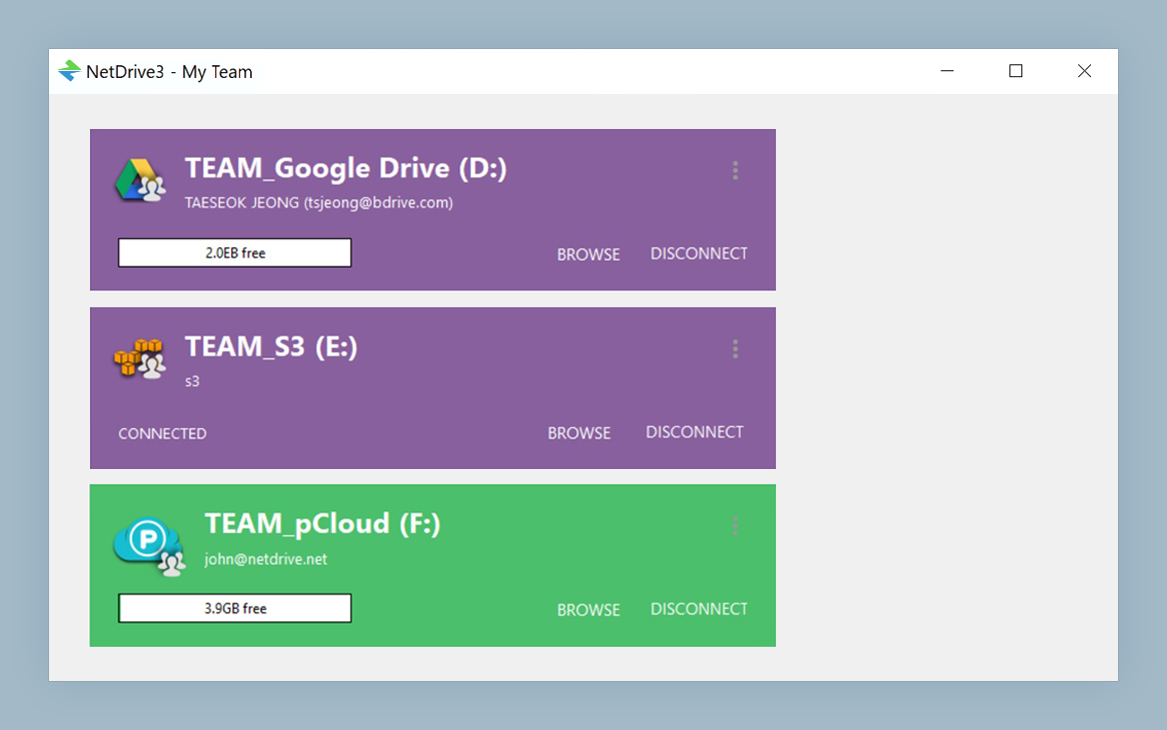
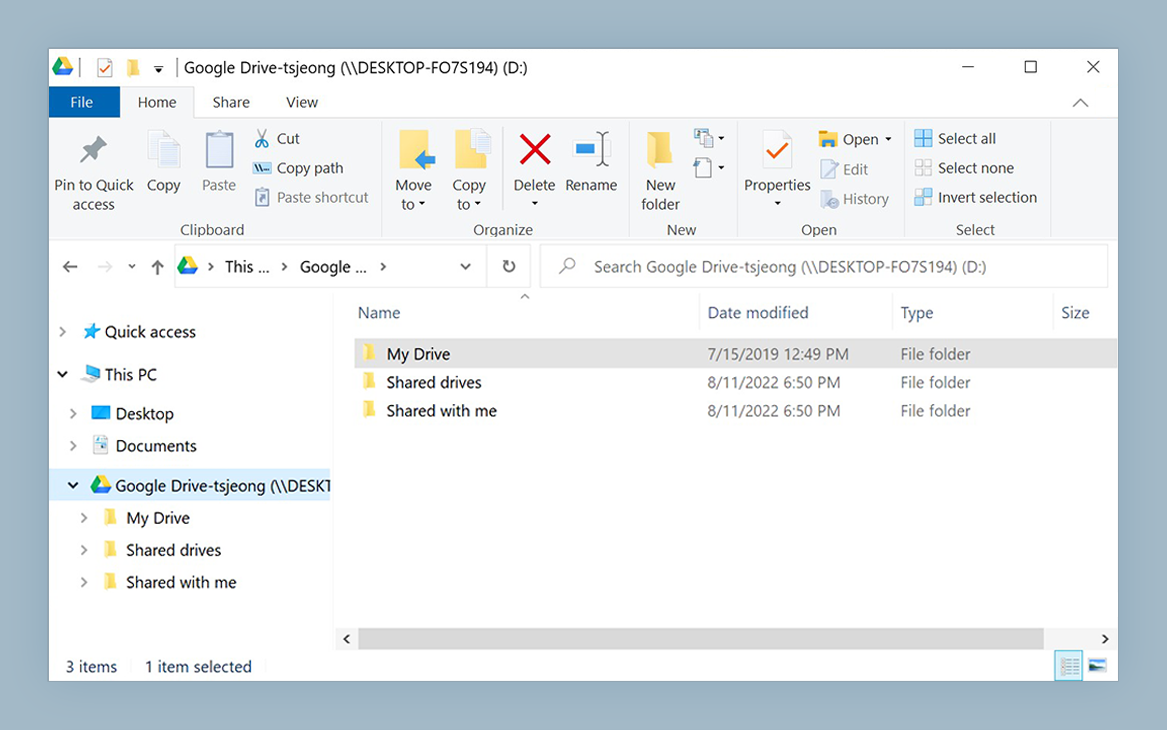
NetDrive lets Google Drive, OneDrive, S3, SFTP, WebDAV and more appear as native drives on Windows and macOS — no syncing, no full downloads.
- Runs on Ubuntu 16.04 and later
- Yandex Disk appears at a regular Linux mount point — no sync client, no full download first
- The same Yandex Disk account works across Windows, macOS, and Linux
Free trial. Lifetime and subscription plans available.
Yandex Disk on NetDrive’s Linux Build
NetDrive has supported Yandex Disk since version 3.9.1190 (April 2020), and on Windows and macOS that support is treated as production-grade. On Linux, it inherits the experimental label NetDrive applies to the entire Linux build rather than to any specific provider — the same designation that covers every other connection type on this platform. The current NetDrive release across all three desktop platforms is 3.19.7.
NetDrive for Linux doesn’t ship through apt or any distro package manager. It’s distributed as a GitHub release at github.com/NetDrive/installer, and Ubuntu 16.04 is the minimum supported version.
Installing NetDrive on Ubuntu
- Go to github.com/NetDrive/installer and download the release that matches your Ubuntu version.
- Follow the bundled release notes to install the driver component NetDrive needs before it can mount anything — the process may prompt for
sudo. - Install the NetDrive package.
- Launch NetDrive from a terminal or your desktop environment’s application menu.
Because Linux builds ship as GitHub releases rather than through apt upgrade, this platform runs on its own release schedule. A fix that lands for Windows or macOS this week isn’t guaranteed to reach the Linux build the same week — worth noting if a scheduled data job depends on specific NetDrive behavior.
Step-by-Step: Connect Yandex Disk on Ubuntu
- Open NetDrive’s Drive Manager and click + Add Drive.
- Select Yandex Disk from the list of connection types. NetDrive opens a browser-based OAuth authorization page for Yandex.
- Sign in to your Yandex account and grant NetDrive access. The browser redirects back to NetDrive once authorization completes.
- Set a mount point — a path like
/mnt/yandex-disk, or any empty directory your user account can write to. - Click Connect. NetDrive authenticates against Yandex and mounts the account at that path.
Verifying the Mount
Check the mount from a terminal rather than relying on a file manager alone, particularly on an experimental build:
# Confirm the mount is listed
mount | grep yandex

# Or just try listing it
ls /mnt/yandex-disk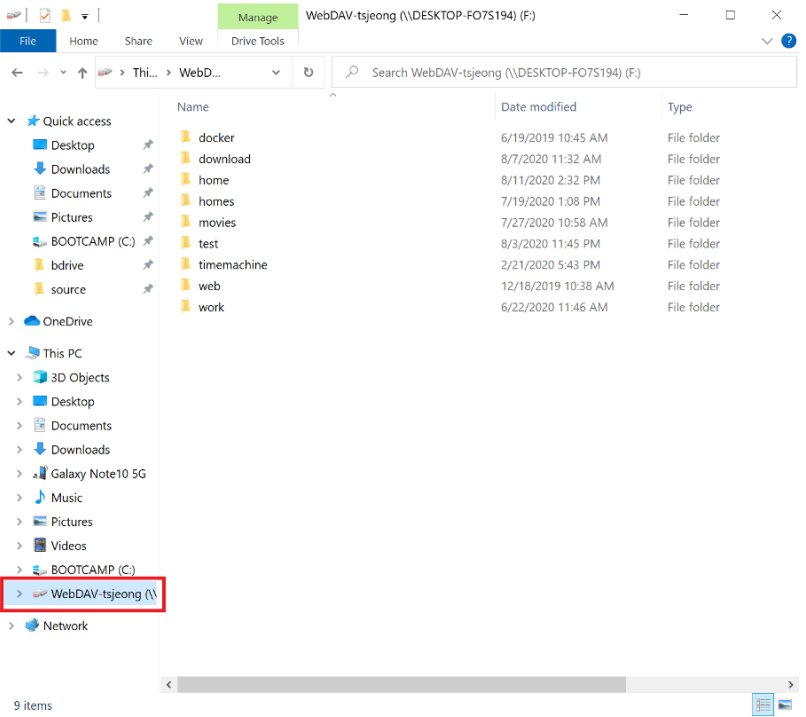
Mount point stays empty after Connect — check that the directory exists and is writable by the user running NetDrive. An unwritable or missing mount point is the most common cause of a silent failure on Linux.
OAuth redirect doesn’t return to NetDrive — this usually means the desktop environment doesn’t have a default browser configured, or a browser extension is blocking the redirect. Try authorizing again with a different default browser set.
A large Yandex Disk library lists slowly on first browse — the Linux build streams directory listings the same way Windows and macOS do, so an account holding tens of thousands of files can take a moment to populate the first time you open it, even though subsequent visits read from NetDrive’s local cache.
Giving the Cache More Room
Once a folder has been listed, NetDrive caches that listing and the files you open so repeat access doesn’t repeat the round trip to Yandex. Cache size is configurable from 100 GB up to 1 TB in the drive’s settings — a research dataset that gets revisited across multiple analysis runs benefits from a larger allocation than the default, since more of it stays warm locally between sessions.
What to Plan Around on the Linux Build
- Separate release cadence — the Linux driver component ships on its own schedule, independent of the Windows and macOS builds.
- No package-manager integration — installation and updates go through GitHub releases, not
apt. - Windows and macOS are the hardened targets — NetDrive’s own comparison materials treat them as production-ready, while Linux carries the experimental label. Test on your own hardware before pointing an unattended job at a Linux Yandex Disk mount.
Wrap-up
Mounting Yandex Disk on Ubuntu brings the same drive-style access NetDrive offers on Windows and macOS to a Linux workstation or build box, through an installer distributed on GitHub rather than a package repository. For the same provider on a more heavily tested platform, see Mount Yandex Disk on Windows with NetDrive; for the broader Linux picture, see NetDrive on Ubuntu Linux; and for another object-storage provider on this same Linux build, see Mount Wasabi on Linux with NetDrive.
— Casey, NetDrive