Mount MinIO on macOS — Access Self-Hosted S3 Storage with NetDrive

How to mount a MinIO bucket as a macOS drive using NetDrive. Works on macOS 14 Sonoma and later, Apple Silicon included. No CLI needed after setup.
Your team spun up a MinIO cluster on bare-metal last quarter. The DevOps engineers are comfortable with the mc CLI and the S3 SDK. The designers and project managers are not—they just need to open PSD files from the assets bucket without a ticket to IT. NetDrive maps MinIO buckets directly to macOS Finder, so the bucket looks like a USB drive and stays out of everyone’s way.
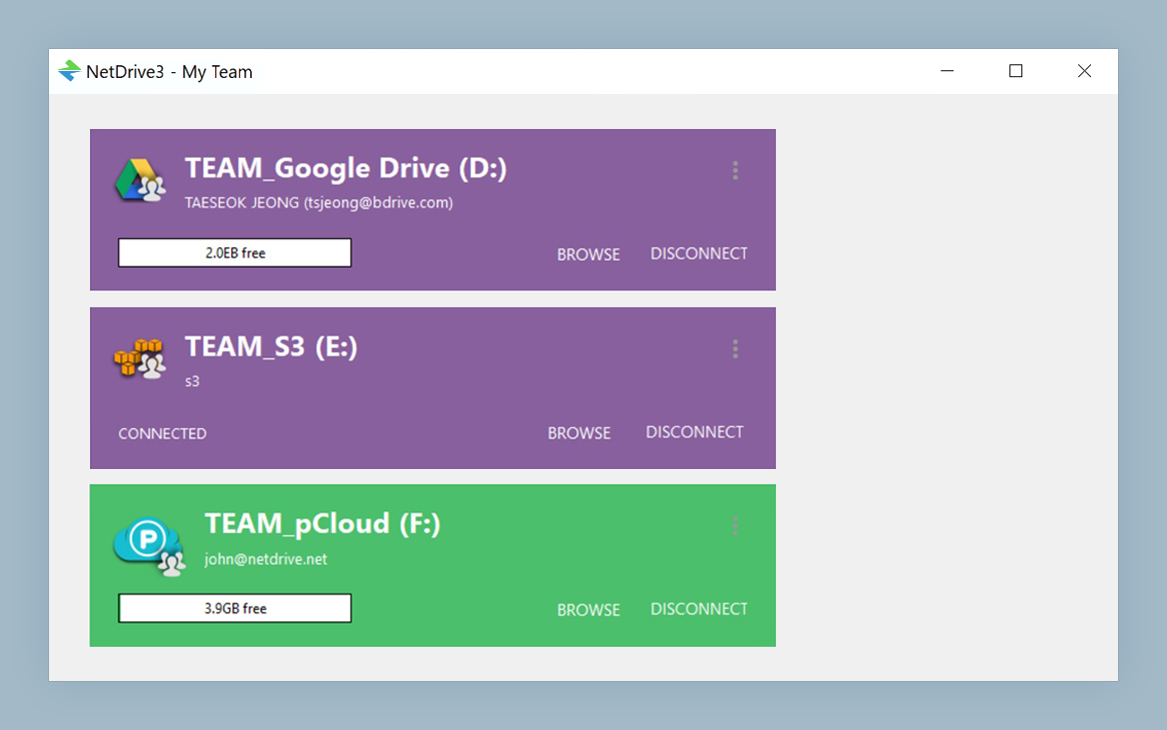
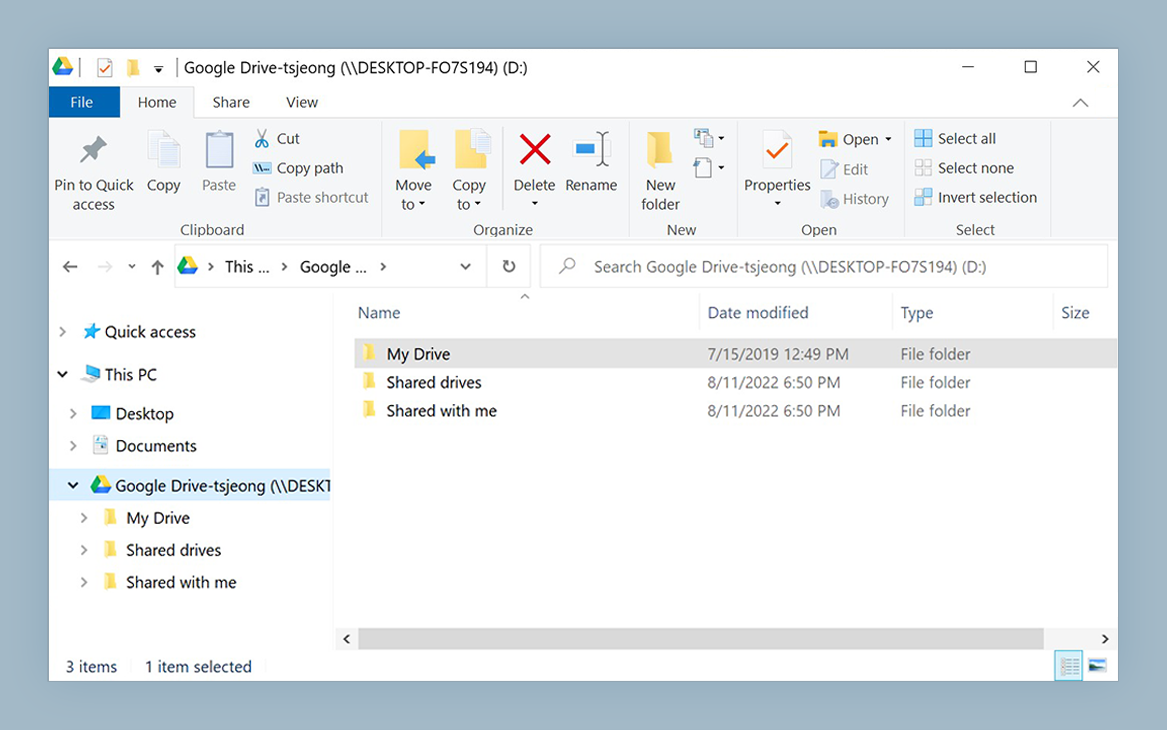
Browse MinIO buckets in Finder—no CLI required
NetDrive lets Google Drive, OneDrive, S3, SFTP, WebDAV and more appear as native drives on Windows and macOS — no syncing, no full downloads.
- Works with any MinIO instance: local VM, bare-metal, or cloud-hosted
- Apple Silicon native since NetDrive 3.14—no Rosetta overhead
- Async uploads keep your app responsive while transfers run in the background
Free trial. Lifetime and subscription plans available.
What You Need Before Connecting
MinIO exposes an S3-compatible API, so NetDrive accesses it through the Amazon S3 provider with a custom endpoint. Collect the following before opening NetDrive:
- Access Key and Secret Key — from the MinIO Console under Identity → Service Accounts, or provided by your MinIO admin.
- Endpoint URL — the base URL of your MinIO API port. For a local server:
http://192.168.1.50:9000. For a TLS-terminated deployment:https://minio.example.com. - Bucket name — visible in the MinIO Console’s Buckets tab.
- Region — unless your MinIO instance is configured with a custom region, use
us-east-1. MinIO ignores this value but S3 clients must send it.
NetDrive 3.18 and later requires macOS 14 (Sonoma) or higher. Apple Silicon Macs run NetDrive natively since version 3.14.309—no compatibility layer involved.
Connecting NetDrive to MinIO
Click the NetDrive menu bar icon (the cloud icon at the top of your screen) and select Open Drive Manager:
- Click + to add a new drive.
- Select Amazon S3 from the provider list — MinIO uses the same API.
- In the Endpoint field, enter your MinIO server’s base URL:
http://192.168.1.50:9000orhttps://minio.example.com. Do not include the bucket name here. - Paste your MinIO Access Key and Secret Key into the corresponding fields.
- Set Region to
us-east-1(or your configured region if you’ve explicitly set one in MinIO). - Click Connect. NetDrive contacts your MinIO server and retrieves the bucket list.
- Select the bucket to mount and click OK.
- Give the drive a name —
MinIO Assets, for example — and set Auto Mount to At Login for persistent access. - Click Mount.
The bucket appears in Finder’s sidebar under Locations, alongside any AirDrop or network shares. Drag files in, open them with a double-click, and Finder handles the rest.
TLS and Path-Style Addressing
Two configuration details trip up most MinIO deployments:
Self-signed certificates. If your MinIO server uses a certificate that macOS does not recognize (common in homelab and internal deployments), connections fail with a TLS handshake error. The cleanest fix is to add your internal CA to macOS Keychain: open Keychain Access, choose File → Import Items, and import the CA certificate. Mark it as Always Trust. Alternatively, switch to HTTP for purely local traffic by entering http:// in the endpoint field.
Path-style bucket addressing. MinIO defaults to path-style addressing (http://server:9000/bucket-name) rather than virtual-hosted-style (http://bucket-name.server:9000). NetDrive’s S3-compatible provider also uses path-style by default, so the two align without extra configuration. If your MinIO deployment is configured for virtual-hosted-style, make sure you have a DNS wildcard matching *.minio.example.com and update the endpoint accordingly.
Large Files and Multipart Uploads
For buckets that hold large objects—VM snapshots, database dumps, uncompressed video—two settings improve reliability:
Async upload mode. Right-click the MinIO drive in Drive Manager and choose Properties → Upload Mode → Async. Your application receives a successful write acknowledgment immediately, and NetDrive queues the actual upload to MinIO in the background. The menu bar icon shows live progress, and you can cancel individual transfers without interrupting other ongoing uploads.
Multipart threshold. NetDrive uses S3 multipart uploads for objects larger than 5 GB, introduced in version 3.5.434. A 20 GB database snapshot uploads as parallel chunks rather than a single serial stream, which is more resilient on the VPN or WAN links that typically connect remote MinIO servers.
Wrap-up
MinIO’s S3-compatible API makes it a drop-in target for any S3-aware tool—including NetDrive. Once mounted, the bucket behaves like any folder: Finder previews work, Spotlight can index filenames, and no application needs to know that the storage lives on a separate server.
The same S3 provider path works for other S3-compatible services. See Mount Wasabi on macOS for endpoint differences, and Mount Amazon S3 on macOS if your team mixes MinIO with the hosted AWS offering.
— Steve, NetDrive