Mount OpenStack Swift on Linux — NetDrive's Experimental Build

Mount an OpenStack Swift container as an Ubuntu mount point with NetDrive's experimental Linux build. Keystone credentials, mount point setup, and verification steps.
A data engineering team running its own OpenStack cluster has analysis scripts on an Ubuntu box that all expect a plain filesystem path — open(), pandas.read_csv(), a grep across a directory of exports. The dataset actually lives in a Swift container, reachable only through Keystone-authenticated HTTPS calls. Rewriting every script to speak the Swift API isn’t worth it when the alternative is mounting the container at a regular path and letting existing tools read it unmodified.
Mount OpenStack Swift on Ubuntu
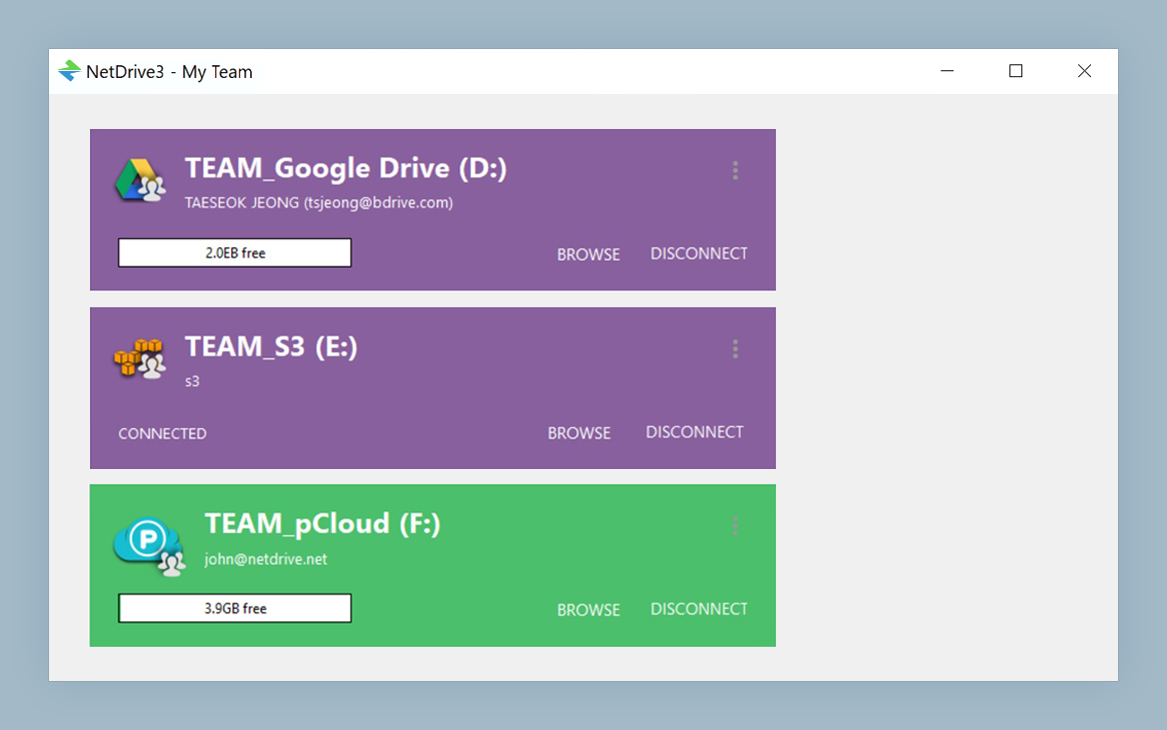
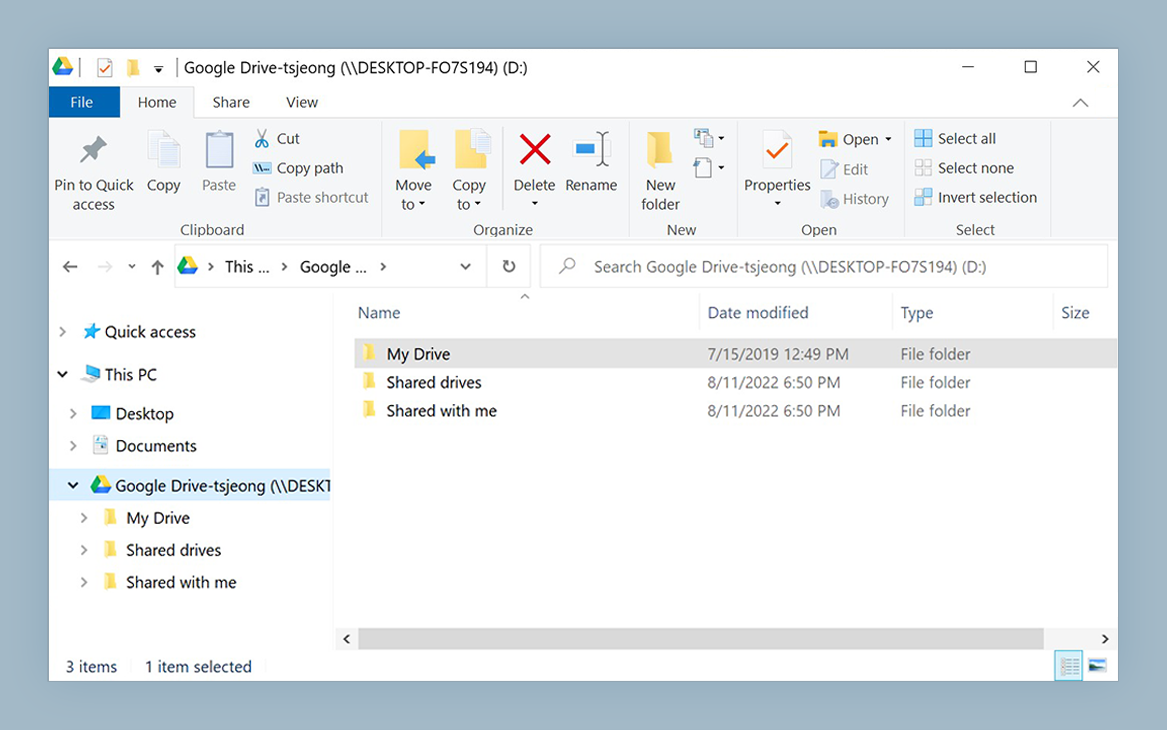
NetDrive lets Google Drive, OneDrive, S3, SFTP, WebDAV and more appear as native drives on Windows and macOS — no syncing, no full downloads.
- Swift containers appear at a regular Ubuntu mount point
- Works with Keystone v2 and v3 authentication
- Runs alongside S3, Wasabi, and 20+ other providers on the same install
Free trial. Lifetime and subscription plans available.
Why Mount Swift Instead of Scripting the API
OpenStack Swift’s own tooling — python-swiftclient or a direct REST call — is fine when you control the code doing the reading. It’s a worse fit for anything you don’t control: a legacy analysis pipeline, a tar job, or a colleague’s notebook that was never going to be rewritten around an object-storage SDK. NetDrive resolves file operations against the container through the mount point instead, so any process that opens a path works without changes.
NetDrive has supported OpenStack Swift since version 3.1, with HTTPS support added in 3.1.234 — Swift auth tokens should never travel over plain HTTP, so HTTPS is the expected setup on any current install. The recommended release across every platform, Linux included, is the current 3.19.7.
Installing NetDrive on Ubuntu
NetDrive’s Linux build ships through GitHub rather than Ubuntu’s package repositories:
- Go to github.com/NetDrive/installer and download the release for your Ubuntu version.
- Follow that repository’s release notes to install the driver component NetDrive needs before it can mount anything.
- Install the NetDrive package itself.
- Launch NetDrive — first run loads the driver component and may prompt for
sudo.
The minimum supported version is Ubuntu 16.04, and this build carries the same experimental label NetDrive’s own comparison page applies across the board. Windows and macOS get the bulk of NetDrive’s testing; a Swift mount on Linux is a solid fit for a dev box or an analytics node, less so for an unattended production job you haven’t validated yourself first.
What You Need Before Connecting
Gather these from your OpenStack administrator or the cluster’s Horizon dashboard:
- Auth URL — the Keystone identity endpoint, including the version path, e.g.
https://keystone.example.org:5000/v3. - Username and Password — your OpenStack credentials (an application credential if your deployment issues those separately from Horizon logins).
- Project / Tenant name — the project (Keystone v3) or tenant (v2) that owns the container.
- Region — only needed if the cluster spans more than one region.
- Container name — leave blank to mount the account root and list every container as a top-level folder, or name one container to mount it directly.
Step-by-Step: Connect OpenStack Swift on Ubuntu
- Open NetDrive’s Drive Manager and click + Add Drive.
- Select OpenStack Swift from the provider list.
- Enter the Auth URL, Username, Password, and Project/Tenant Name, plus Region and Container Name if they apply.
- Set a mount point — a path like
/mnt/swift-data, or any empty directory you have write access to. - Choose Network Drive for read-write access, or Read-only Drive if the box should never write back to the cluster.
- Click Connect. NetDrive authenticates and mounts the container at that path.
Confirm the mount from a terminal rather than trusting the GUI alone — worthwhile due diligence on an experimental build:
mount | grep swift-data
ls /mnt/swift-data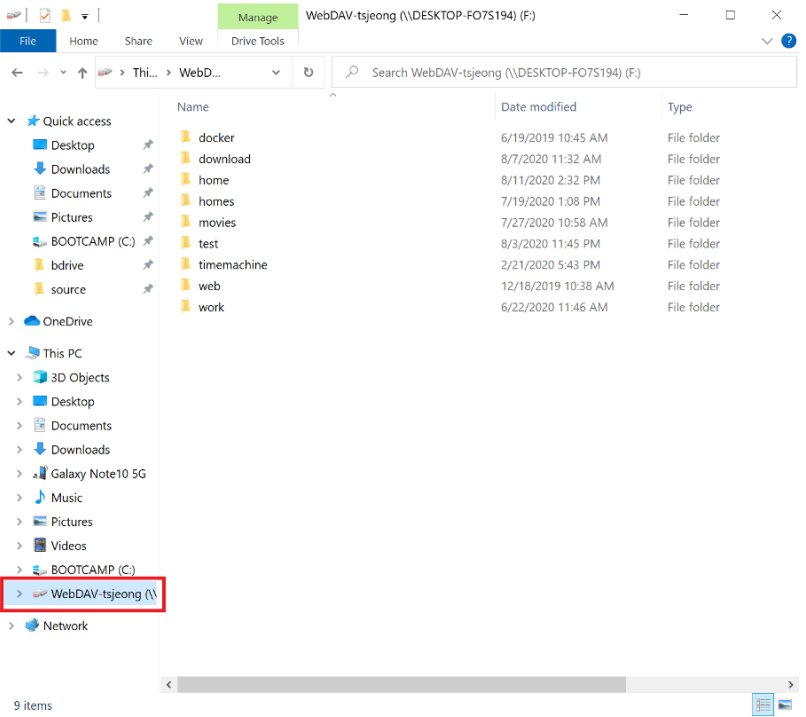
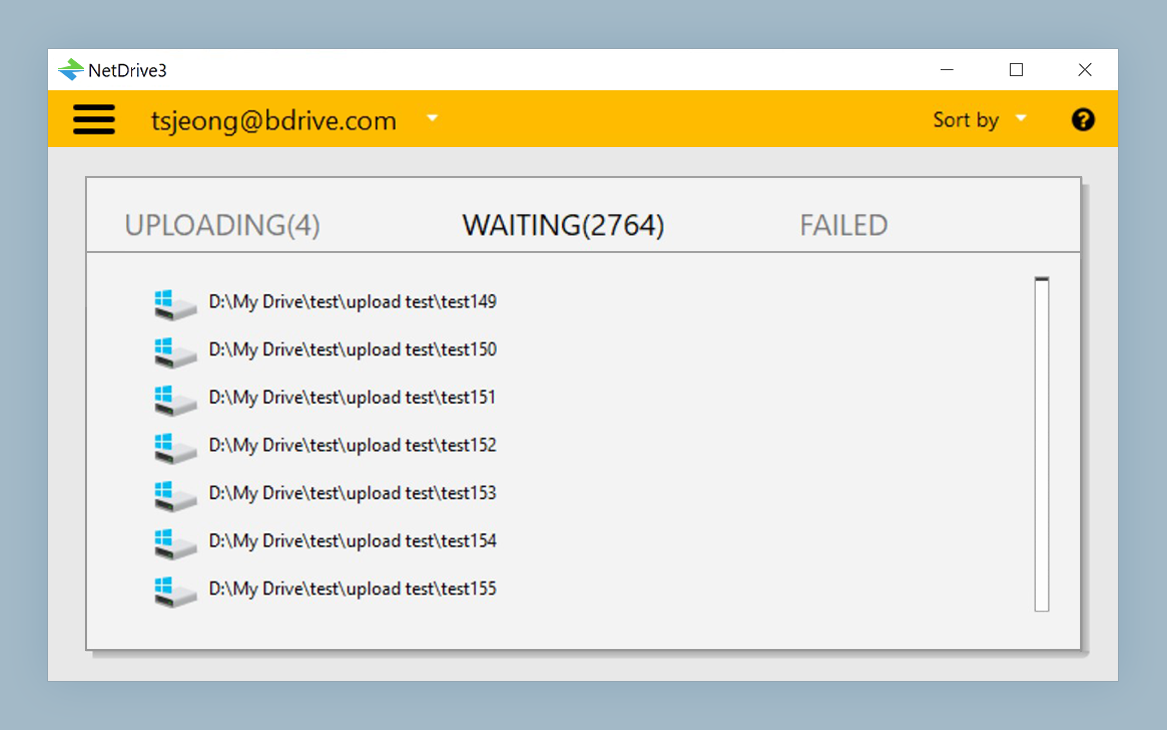
If the listing comes back empty, give a large container a moment to populate its root before assuming something’s wrong; if it’s still empty after that, recheck the Auth URL and Project/Tenant name first — a mismatched project is the most common reason a Swift connection fails silently on the first attempt. For write-heavy jobs pushing processed output back to the container, NetDrive queues the transfer in the background instead of blocking the process that triggered it.
Where the Linux Build Differs
- Separate release cadence — the Linux driver component ships on its own schedule, independent of the Windows and macOS builds.
- No
aptintegration — updates arrive as GitHub releases, not throughapt upgrade. - Windows and macOS remain the hardened targets — NetDrive’s own guidance treats them as production-ready; Linux is labeled experimental until you’ve validated it against your own hardware and workload.
Wrap-up
Mounting OpenStack Swift on Ubuntu gets a Linux analytics box the same path-based access NetDrive provides on Windows and macOS, through an installer distributed on GitHub instead of apt. For the same provider on a more heavily tested platform, see Mount OpenStack Swift on Windows with NetDrive or Mount OpenStack Swift on macOS with NetDrive. For the broader picture of running NetDrive on Ubuntu, see NetDrive on Ubuntu Linux.
— Alex, NetDrive