NetDrive on Linux — Fixing 'Permission Denied' Mount Errors

NetDrive's Linux support is experimental. Here's how to work through 'Permission denied' errors when a mount won't attach.
A DevOps engineer sets up NetDrive on an Ubuntu 16.04 test box to give a CI runner read access to an S3 bucket full of fixtures, runs the mount command, and gets nothing but “Permission denied” back. The same setup mounts cleanly on their Windows laptop an hour earlier. Linux is where NetDrive’s mounting behaves the most differently from Windows or macOS, and permission errors are the most common reason a mount refuses to attach there.
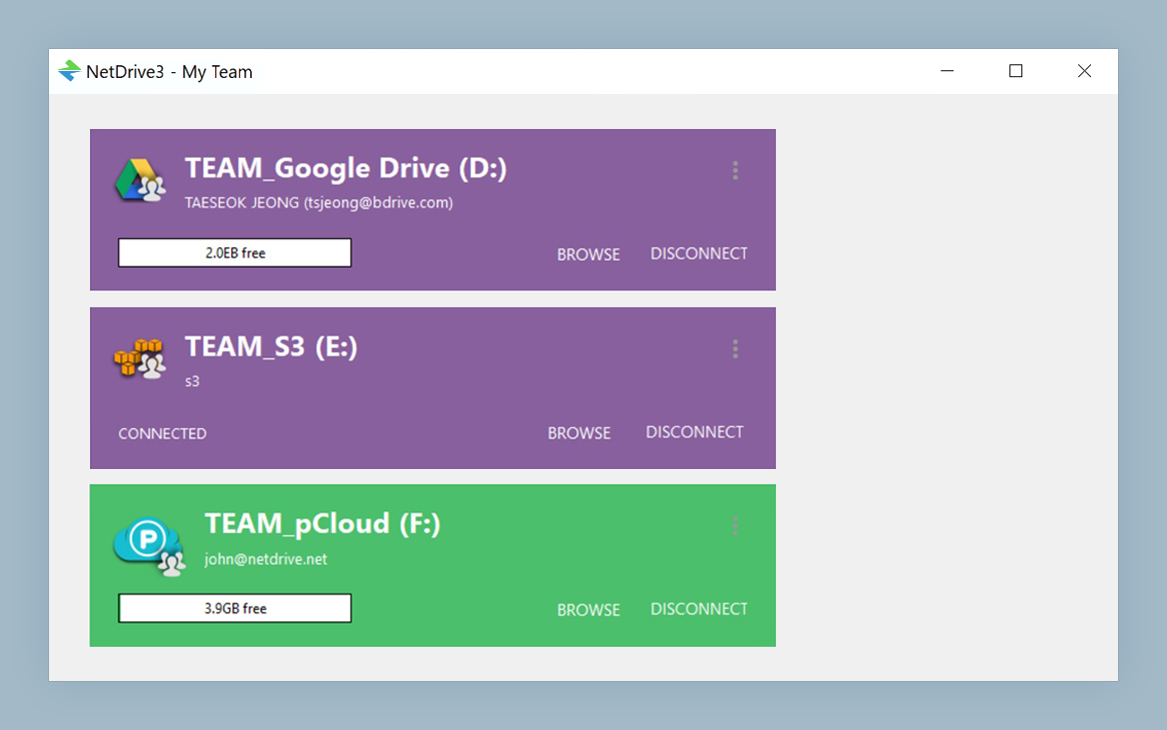
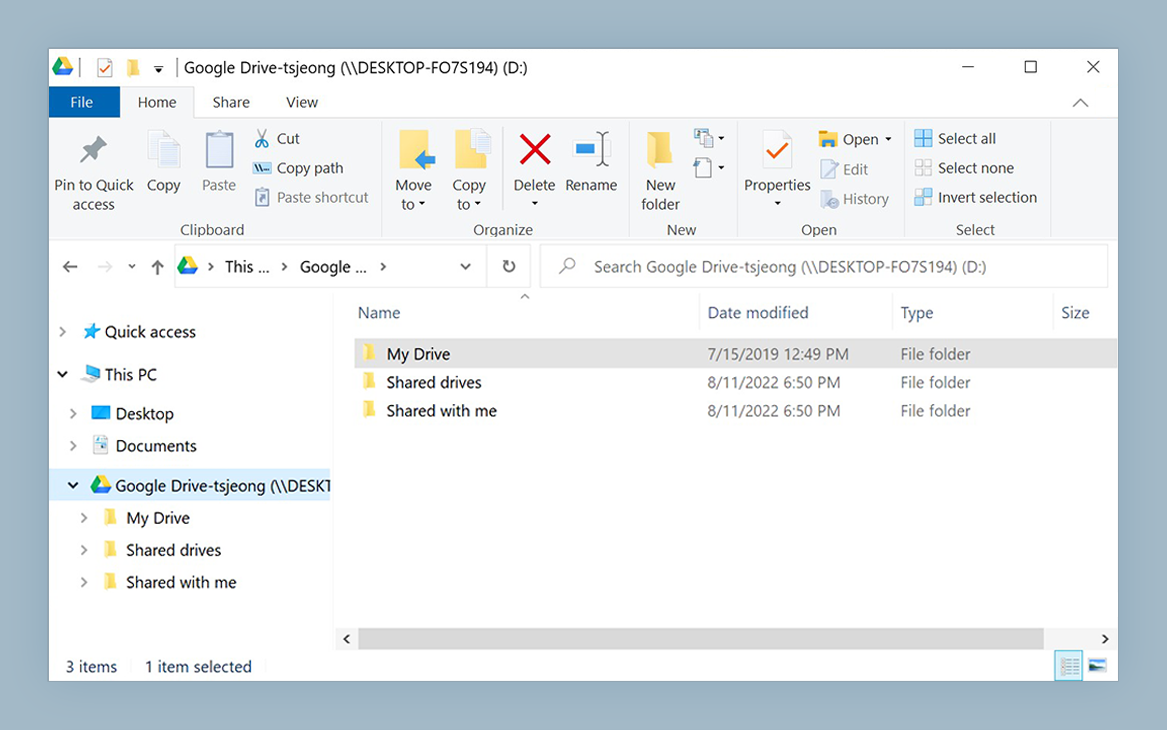
NetDrive also runs on Windows and macOS
NetDrive lets Google Drive, OneDrive, S3, SFTP, WebDAV and more appear as native drives on Windows and macOS — no syncing, no full downloads.
- Stable, production-ready support on Windows 8–11 and macOS 14+
- Same provider list — Google Drive, S3, SFTP, WebDAV, and more
- Skip Linux FUSE permission debugging entirely on those platforms
Free trial. Lifetime and subscription plans available.
Why Linux Mounts Fail Differently
NetDrive’s Linux build is distributed separately, through the NetDrive/installer GitHub repository rather than the DMG or EXE installers used elsewhere, and it’s labeled experimental rather than production-ready: it doesn’t carry the same stability guarantees as the Windows and macOS builds, and NetDrive’s own comparison page recommends Windows or macOS as the primary platforms. If you’re running Linux anyway — a headless build server, a test rig, a personal Ubuntu desktop — permission errors are usually a FUSE configuration issue on the host, not a broken install.
Checking the FUSE Permission Chain
FUSE-based mounts on Linux depend on a permission chain that has nothing to do with NetDrive’s own settings, and it’s the first place to look when a mount comes back “Permission denied”:
- Group membership. The user running NetDrive typically needs to belong to the
fusegroup on the distribution. Rungroups $USERto check, and iffuseisn’t listed, add the user to it and log out and back in — group changes don’t apply to an already-open session. /dev/fusedevice permissions. This device node needs to be readable and writable by that user or group. If a system update or a custom udev rule reset its permissions, the mount will fail even with correct group membership.user_allow_otherin/etc/fuse.conf. This line needs to be uncommented if you’re mounting a drive that other users on the same machine also need to read — for example, a shared CI runner account.
None of this is NetDrive-specific configuration; it’s the same permission model any FUSE-based tool on Linux depends on, which is part of why the exact fix varies a bit by distribution and kernel version.
Fixing the Permission Denied Error
- Open a terminal and run
groups $USERto confirm the account launching NetDrive is in thefusegroup. If it isn’t, add it with your distribution’s user-management tool and log out, then back in. - Check
/dev/fusepermissions — confirm the device node is accessible to that user or group, and correct it if a recent system change reset it. - Uncomment
user_allow_otherin/etc/fuse.confif the mount needs to be visible to more than one local user. - Retry the mount from NetDrive once the permission chain checks out, and confirm the drive attaches.
- Check the NetDrive support forum for any distribution-specific notes if the error persists — experimental support means edge cases on less common kernel versions aren’t always documented up front.
Wrap-up
Permission errors on Linux almost always trace back to the FUSE device and group configuration rather than anything inside NetDrive itself, and working through the chain above resolves most of them. If Linux’s experimental status is a dealbreaker for a production workflow, NetDrive on Ubuntu Linux covers what to expect from the platform overall, and Mount Amazon S3 on Linux with NetDrive walks through a full S3 setup once the mount is working. macOS users hitting a similar wall should see Fix macOS FUSE Permission Errors with NetDrive instead — the two platforms share the FUSE concept but not the same fix.
— Steve, NetDrive