Mount Box on macOS — Drive Access Without Syncing with NetDrive

Learn how to mount Box as a native Finder volume on macOS using NetDrive. Stream files on demand without filling your SSD with synced copies.
A boutique post-production agency keeps 800 GB of client deliverables in Box. The Box native app on macOS syncs selectively — editors must remember to mark folders for local access before a deadline, and the sync indexer competes with DaVinci Resolve for CPU during heavy renders. NetDrive sidesteps that entirely: Box mounts as a Finder volume, files stream on demand, and nothing copies to local storage unless you explicitly drag it there.
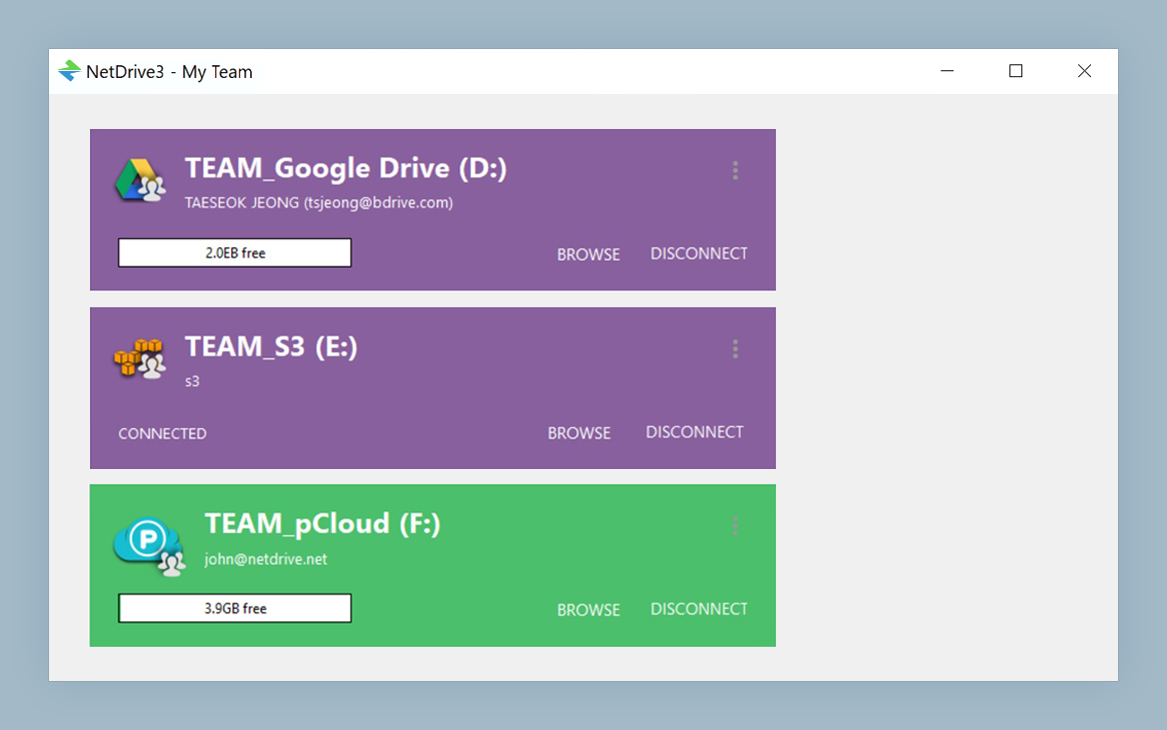
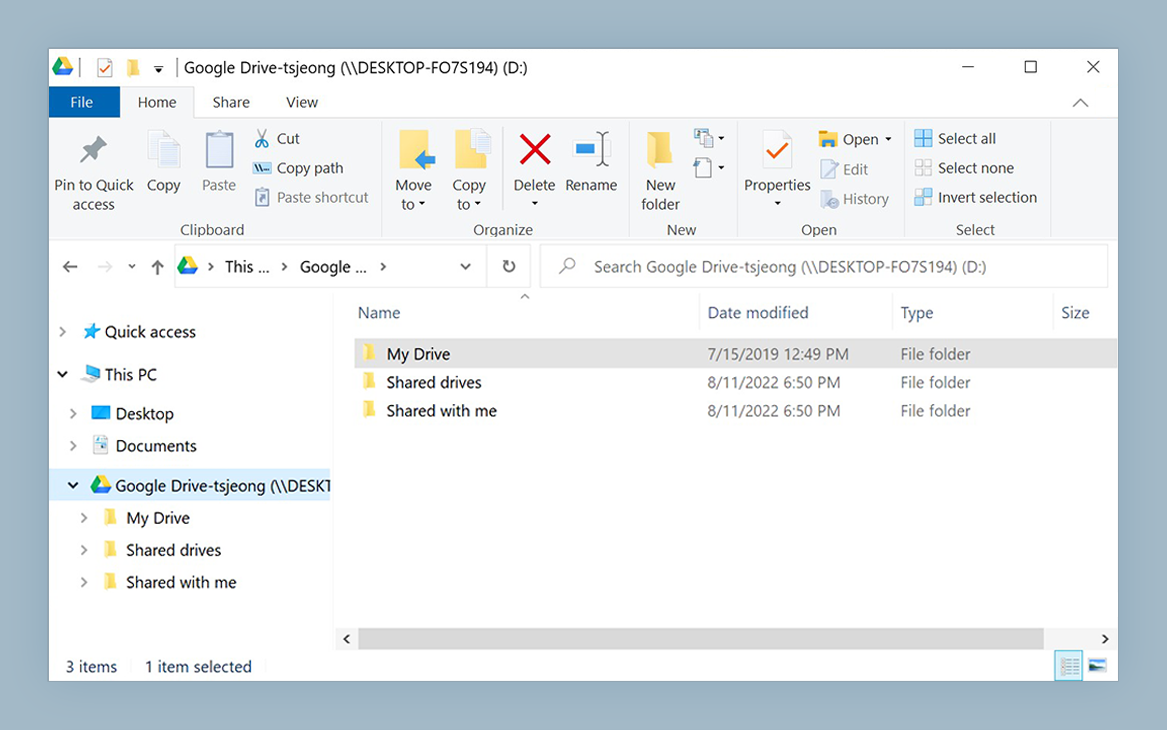
Mount Box as a Finder drive — no sync required
NetDrive lets Google Drive, OneDrive, S3, SFTP, WebDAV and more appear as native drives on Windows and macOS — no syncing, no full downloads.
- Box appears as a native volume in Finder sidebar
- Files stream on demand — your SSD stays free
- Auto-mount at login so the drive is ready when macOS boots
Free trial. Lifetime and subscription plans available.
What makes NetDrive different from Box’s native app
Box’s official macOS app works on a selective-sync model: you pick which folders live on disk, and the app keeps them updated. That works fine for a few gigabytes of frequently-accessed files, but it breaks down at scale. An 800 GB Box org with dozens of active client folders means you’re either syncing too much (SSD fills up) or too little (the wrong folder wasn’t marked available when you need it at 11 PM before a client call).
NetDrive takes the opposite approach. It mounts Box as a volume at /Volumes/ — exactly like an external hard drive. When you open a file, NetDrive fetches just that file from Box on demand. Nothing is stored locally until you touch it. For an edit suite with a 1 TB internal SSD and 800 GB of Box content, that’s the difference between constant sync management and zero storage overhead.
The drive appears in the Finder sidebar under Locations, alongside your Mac’s internal disk and any USB drives. Drag, drop, rename, and delete work exactly as they do with local files. Final Cut Pro, Adobe Premiere, and Office apps write through to Box transparently — from the app’s perspective, it’s a local disk.
Requirements before you install
NetDrive 3.18 and later require macOS 14 Sonoma or later. If your Mac runs macOS 13 Ventura or earlier, use NetDrive 3.17, available from the download page.
NetDrive on macOS uses macFUSE, a kernel extension that lets user-space software implement a full filesystem. The NetDrive installer includes macFUSE setup. On first run, macOS will prompt you in System Settings → Privacy & Security to allow the kernel extension — click Allow, then restart if asked. Without this step, NetDrive installs but cannot mount any drives.
You’ll need a Box account and a NetDrive license or the 7-day free trial, which gives you full access to every feature including the Box provider.
Connecting Box to NetDrive: step by step
- Download NetDrive from netdrive.net/download/mac/ and open the DMG.
- Run the installer. Approve the macFUSE kernel extension in System Settings → Privacy & Security when prompted, then restart if macOS requires it.
- After installation, a NetDrive icon appears in the macOS menu bar.
- Click the menu bar icon → Open Drive Manager.
- In the Drive Manager window, click the + button to add a new drive.
- Select Box from the provider list.
- Name the drive — for example, “Client Projects” — and leave the mount path at the default or type a custom path under
/Volumes/. - Click Connect. A browser window opens for Box’s OAuth authorization flow.
- Sign in with your Box credentials and click Grant Access.
- Back in the Drive Manager, set Auto Mount to Mount at Login so the drive reconnects automatically on every restart.
- Click Mount. Within a few seconds, Box appears in Finder’s sidebar under Locations.
Working with your mounted Box drive
Opening folders is instant — NetDrive only fetches directory listings, not file contents. When you open an actual file, NetDrive streams just that file from Box. A 4 GB QuickTime export starts playing in QuickTime Player before it’s fully downloaded to the local cache.
Uploads use NetDrive’s background upload queue. Copy a 15 GB folder from your local disk to the Box volume in Finder, then close Finder — the upload continues in the background. Drive Manager shows upload progress so you know when it finishes.
If a colleague uploads new files to Box from a different machine and you don’t see them, right-click the relevant folder in Finder → Refresh. NetDrive clears the directory cache for that path and re-fetches the listing from Box’s API.
For team workflows where multiple Macs mount the same Box account, the auto-mount setting means everyone boots to the same volume visible in Finder — no manual reconnect each morning, no missed files because a folder wasn’t marked for sync.
Wrap-up
NetDrive removes the sync-management overhead that slows down studios and agencies using Box at scale. Once mounted, Box behaves like a fast external volume: open to read, drag to copy, and let the background uploader handle the rest without blocking your workflow.
If your team also uses Google Drive or Dropbox alongside Box, see Mount Google Drive on macOS with NetDrive and Mount Dropbox on macOS with NetDrive — each provider mounts as a separate Finder volume, and all can be active and in use simultaneously.
— Alex, NetDrive