Local Disk Mode in NetDrive — Why It Matters for Backup Tools and Media Apps
NetDrive can mount cloud storage as a local disk instead of a network drive. Here's why that distinction matters and how to switch a drive to it.
A studio’s backup software is configured to skip network locations by default — a common setting, since most backup tools assume a network drive can disappear mid-job and treat it as unreliable to depend on. The catch: their asset library is a cloud bucket mounted through NetDrive, and by default that shows up to Windows as a network drive, so the nightly backup job quietly skips it. The fix isn’t a different backup tool — it’s a drive type setting inside NetDrive most people never open.
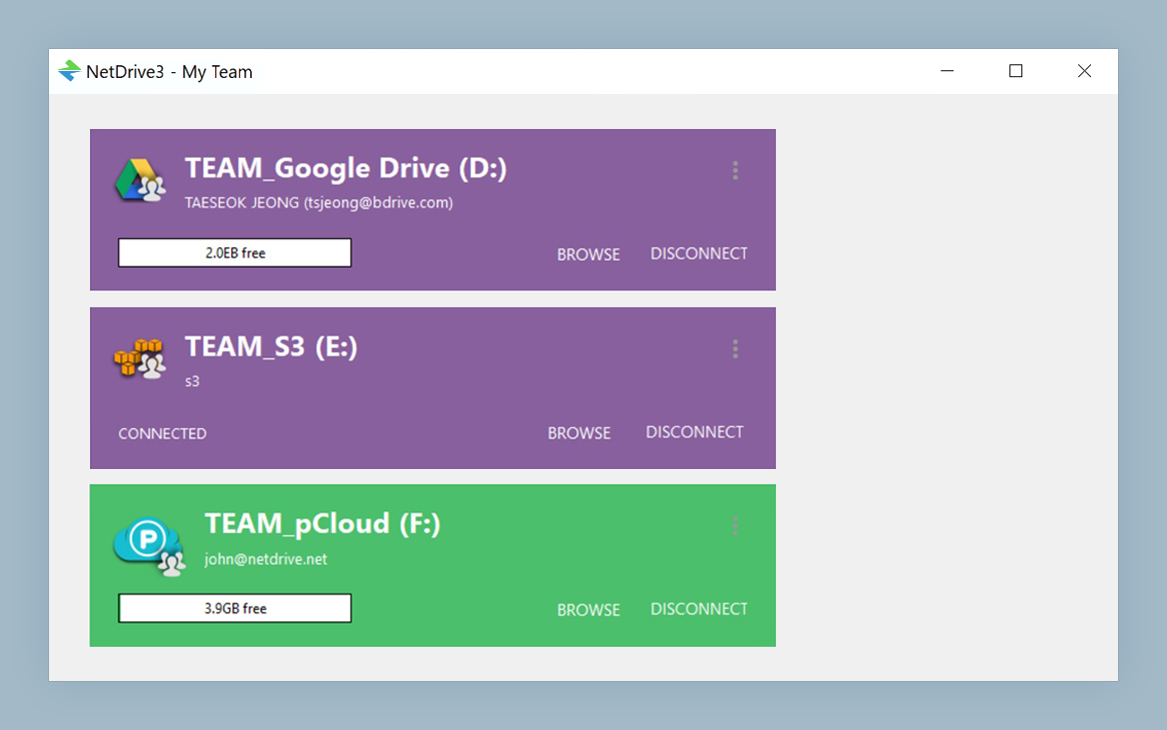
Choose how your cloud drive presents itself
NetDrive lets Google Drive, OneDrive, S3, SFTP, WebDAV and more appear as native drives on Windows and macOS — no syncing, no full downloads.
- Mount any provider as a network drive or a local disk
- One of the few cloud mount tools that exposes this choice
- Switch a drive's type without reinstalling or re-authenticating
Free trial. Lifetime and subscription plans available.
Two Ways an OS Can See the Same Drive
When NetDrive mounts a cloud connection, the drive’s configuration includes a Drive Type setting. Two of the four available types decide whether Windows or macOS treats the mount as a network location or as local storage:
| Drive Type | What the OS sees |
|---|---|
| Network drive | A standard networked volume. This is the default for every new connection. |
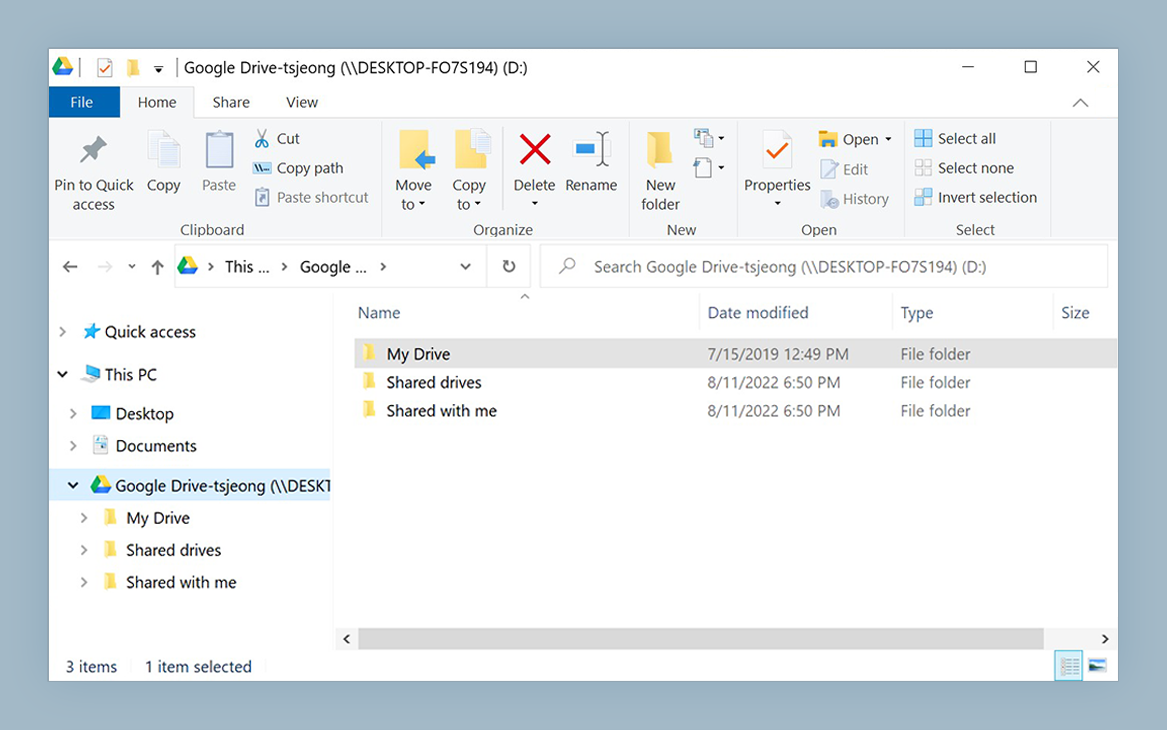
| Local disk | Appears under “This PC” (Windows) or as a plain volume with no network badge (macOS), rather than a network location. |
The distinction isn’t cosmetic. Plenty of software on both platforms treats network paths and local volumes differently by default: backup utilities that exclude network drives unless explicitly added, media library tools that index local volumes faster or more completely than network paths, and disk-usage or cleanup utilities that only scan what the OS reports as local. A cloud bucket mounted as a network drive can quietly fall outside all of that — not because the data isn’t there, but because the software never looked.
NetDrive is one of the few cloud mount tools that exposes this choice at all — most alternatives only offer the network drive presentation, with no way to change how the OS classifies the mount.
Switching a Drive to Local Disk Mode
The setting lives in the same place as any other drive configuration, and applies per-connection — one mounted provider can stay a network drive while another is set to local disk:
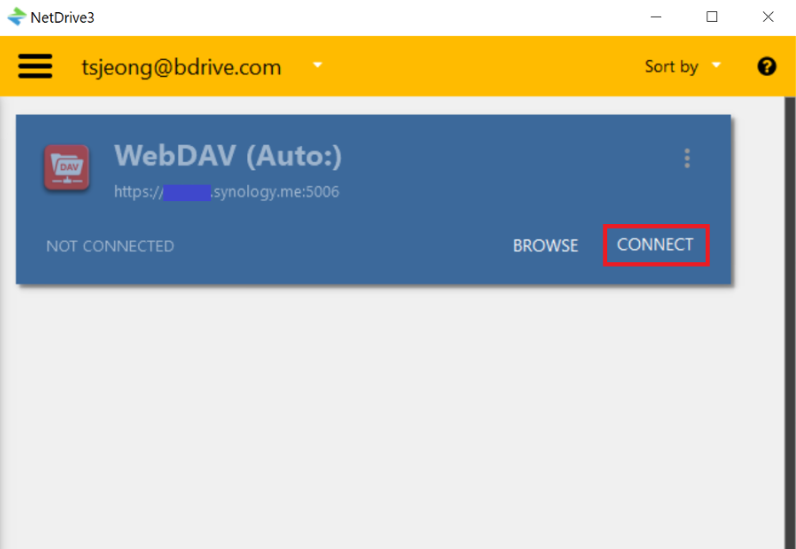
- Open NetDrive and find the drive in the Drive Manager, or click Add Drive to configure a new connection.
- Open the drive’s settings — click the gear icon on the drive card.
- Locate the Drive Type field and switch it from Network drive to Local disk.
- Save and remount the drive for the change to take effect.
Once remounted, the same cloud storage — Google Drive, S3, Backblaze B2, or any other provider NetDrive supports — appears under “This PC” in Windows Explorer instead of the “Network locations” group, or without a network badge in Finder. Nothing about the underlying connection changes: files still stream on demand and background uploads still work the same way. Only how the OS classifies the volume changes.
When the Switch Is Worth Making
Backup jobs that skip network drives. Many backup tools default to excluding network locations to avoid interruptions from a flaky connection mid-job. If a cloud-mounted drive needs to be part of a regular backup routine, switching it to local disk mode is often the simplest fix — no need to hunt for an “include network drives” option buried in the backup tool’s settings, assuming one even exists.
Media library scanning. Photo and video library apps sometimes index local volumes more thoroughly, or check them more frequently for new files, than they do network paths. A cloud-mounted footage archive set to local disk mode is more likely to get picked up the way a local folder would.
Disk-usage and cleanup utilities. Tools that report storage usage or hunt for large files to clean up commonly scope their scan to local disks by default. Setting a mounted drive to local disk mode brings it into that scope without changing how the third-party tool itself is configured.
Not every mounted drive needs this. A drive used purely through Explorer or Finder for manual browsing works identically either way — the setting matters specifically when a piece of software makes a decision based on how the OS classifies the volume.
Wrap-up
Drive Type is a setting most people leave on the default the day they set up a connection, and only revisit after noticing a backup job or a media tool silently ignored a cloud-mounted drive. If any automated tool in your workflow makes assumptions based on network versus local storage, it’s worth checking this setting before assuming the tool itself is broken. For the write-protection counterpart to this setting, see the Read-Only Drive Mode guide, and for tuning how much of a large library stays cached locally, see Cache Size Options in NetDrive.
— Tayson, NetDrive