Fix SFTP Authentication Failures in NetDrive — Keys, Passwords, and Ports
Troubleshoot SFTP authentication errors in NetDrive: SSH key format issues, wrong port settings, host key verification failures, and password rejection on Windows and macOS.
You added an SFTP connection in NetDrive, clicked Connect, and got an authentication error — or the drive timed out silently after thirty seconds. SFTP authentication failures are the most common stumbling block when mounting Linux servers, NAS devices, and shared-hosting accounts. Almost every case traces back to one of three root causes: wrong credentials or host settings, SSH key format mismatch, or a stale host-key cache entry.
Mount Any SFTP Server as a Native Drive
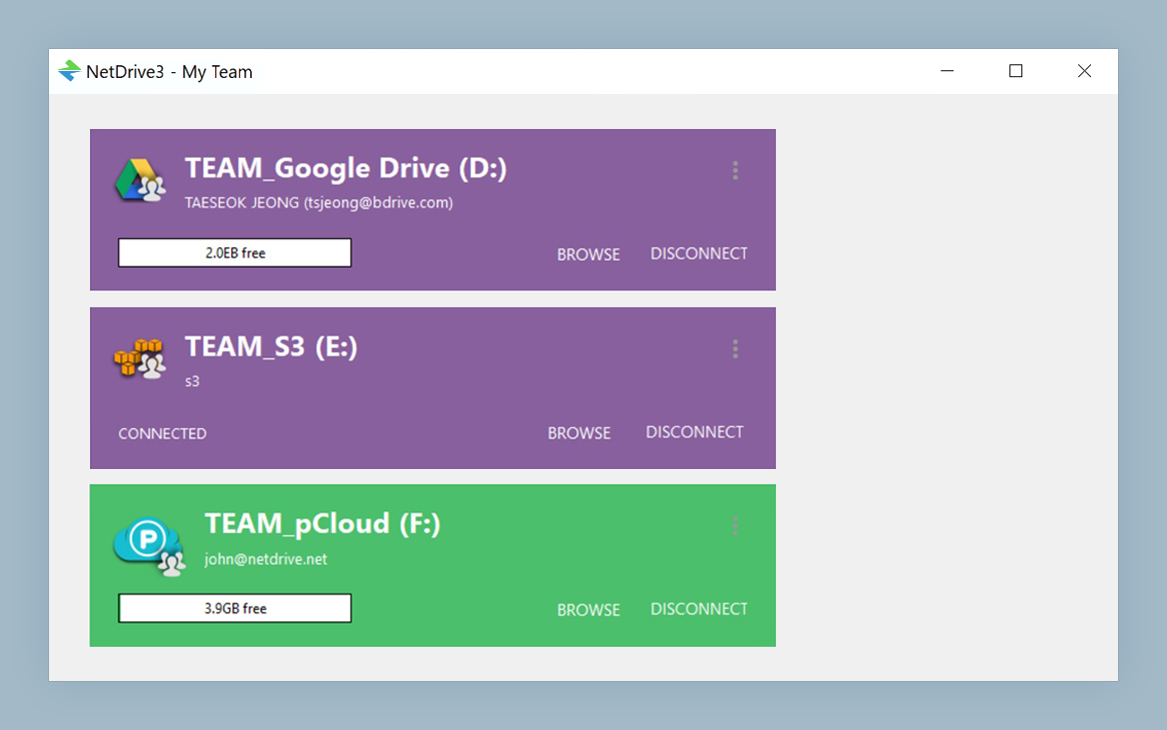
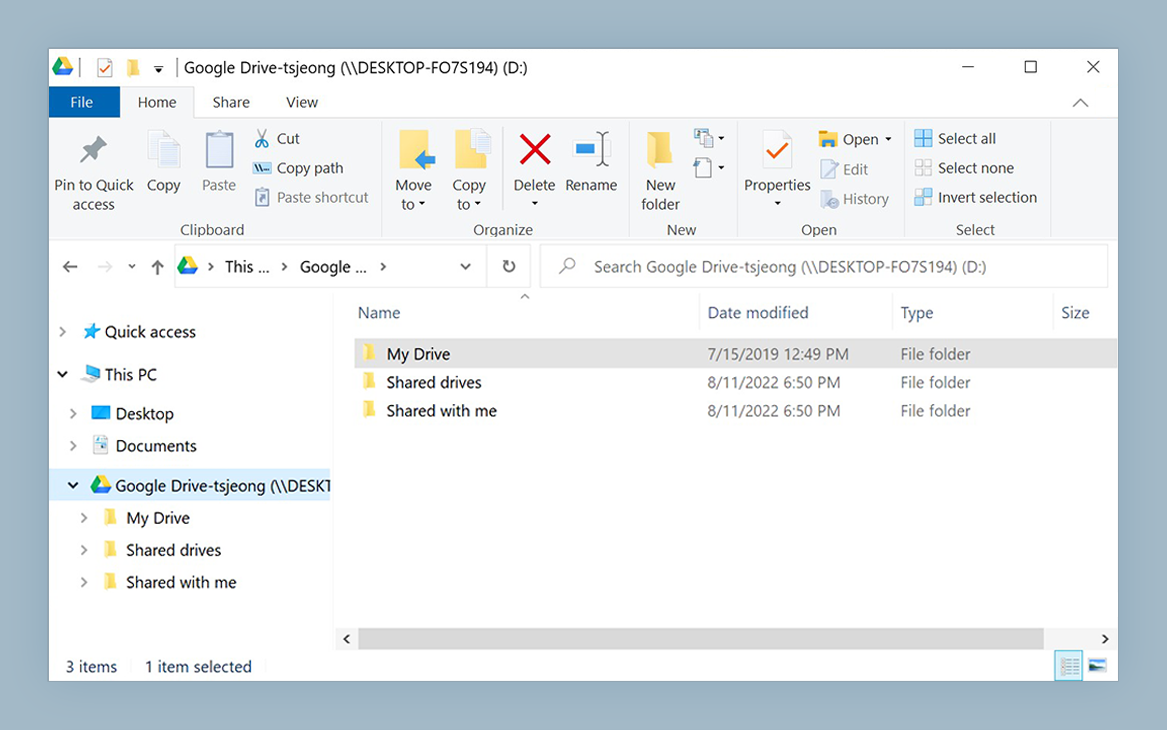
NetDrive lets Google Drive, OneDrive, S3, SFTP, WebDAV and more appear as native drives on Windows and macOS — no syncing, no full downloads.
- Password and SSH key authentication both supported
- Works with Linux servers, Synology/QNAP NAS, and hosting accounts
- Available on Windows and macOS
Free trial. Lifetime and subscription plans available.
Map Your Symptom to a Cause
Before touching any setting, identify which symptom you’re hitting:
| Symptom | Most likely cause |
|---|---|
| ”Authentication failed” immediately | Wrong username, password, or key not accepted |
| Hangs 30–60 seconds then times out | Wrong hostname or port; firewall blocking port 22 |
| ”Host key verification failed” | First connection to this host, or server fingerprint changed |
| Mounts briefly then drops | Server-side idle timeout or network instability |
This post covers the first three. If your mount drops after sitting idle, the keepalive patterns in Fix Mount Disconnects After Sleep on macOS apply to SFTP as well.
Fix 1: Verify Credentials and Host Settings
Open NetDrive’s Drive Manager, select your SFTP drive, and click Edit. Check each field carefully:
- Host — the server’s hostname or IP address, without any
sftp://prefix. NetDrive adds the protocol automatically. A trailing slash here breaks resolution. - Port — SFTP defaults to 22. If your server administrator moved SSH to a non-standard port (a common hardening measure), enter it explicitly. Connecting to port 22 when the server listens on 2222 produces a timeout, not an “authentication failed” message — it is frequently overlooked for that reason.
- Username — case-sensitive.
Adminandadminare different accounts on Linux systems. - Password — re-enter it even if the field looks populated. Saved credentials can silently go stale after a server-side password rotation.
After updating any field, click Connect rather than just saving. NetDrive only validates credentials on an actual connection attempt, not on save.
Fix 2: SSH Key Format Issues
SSH key authentication is more secure than passwords, but NetDrive requires the private key in PEM format — RSA keys starting with -----BEGIN RSA PRIVATE KEY----- or ECDSA keys starting with -----BEGIN EC PRIVATE KEY-----. Modern OpenSSH versions generate keys in a newer format (-----BEGIN OPENSSH PRIVATE KEY-----) by default, which NetDrive does not accept.
To convert an OpenSSH-format key to PEM on the machine where the key was generated:
ssh-keygen -p -m PEM -f ~/.ssh/id_rsaThis rewrites the private key file in-place. Back it up before running this command.
In NetDrive’s SFTP drive settings:
- Set Auth type to Key instead of Password.
- Under Private key file, browse to the
.pemprivate key file on your local machine. - If the key has a passphrase, enter it in Key passphrase.
- Confirm the matching public key is already in
~/.ssh/authorized_keyson the remote server.
A quick server-side check: running ssh -v user@hostname from a terminal shows which authentication methods the server offers and which keys it accepts. Lines containing Offering public key and Server accepts key confirm the pairing is correct without any NetDrive involvement.
Fix 3: Stale Host Key Verification
When NetDrive connects to an SFTP host for the first time — or after the server’s SSH fingerprint changes due to a hardware replacement, OS reinstall, or IP address being reused — it may refuse to connect with a host-key error.
NetDrive stores accepted host keys in its internal known-hosts cache. To clear a stale entry:
- In Drive Manager, select your SFTP drive and open Edit.
- Find the Clear known hosts or Reset host key option in the advanced settings panel.
- Reconnect. NetDrive will prompt you to accept the new fingerprint.
Before accepting a changed fingerprint, verify it independently by running ssh-keyscan -t rsa hostname from any machine that already has SSH access to the server, then compare the output to what NetDrive presents. Accepting an unexpected fingerprint on a production server is a meaningful security risk.
Wrap-up
SFTP authentication failures in NetDrive almost always come down to credentials, key format, or host configuration rather than NetDrive itself. Work through the three fixes in order — credentials first, then key format, then the host-key cache — and you’ll isolate the cause within a few minutes. If none of them resolve the issue, enable verbose logging in NetDrive’s preferences and post the log to support.bdrive.com for further diagnosis.
For related reading: Fix WebDAV Synology Connection Errors and Fix S3 Access Denied Errors in NetDrive.
— Tayson, NetDrive