Mount Google Photos on Windows — Browse Your Library as a Local Drive

Mount Google Photos on Windows with NetDrive and open photos directly in File Explorer, Lightroom, or any desktop app. No full download, no browser, no sync client.
A photographer with 800 GB of Google Photos has a problem: Lightroom can’t point at a browser tab. Opening the library means downloading selectively — and that means time, local storage, and remembering what you’ve already pulled down. Since NetDrive 3.16.589, Google Photos is a mountable provider. Map it to a drive letter on Windows and Lightroom, Windows Photos, or any file-aware app can read from your cloud library directly, with no sync client and no full local copy.
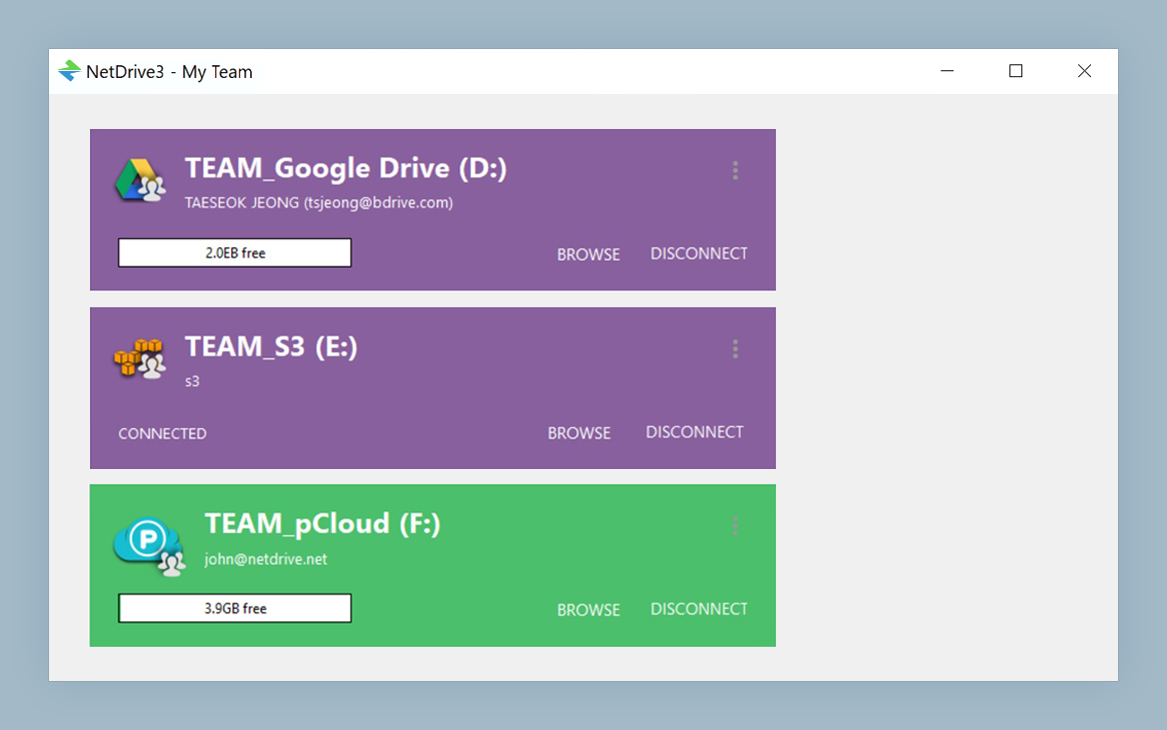
Access Your Google Photos Library From Windows
NetDrive lets Google Drive, OneDrive, S3, SFTP, WebDAV and more appear as native drives on Windows and macOS — no syncing, no full downloads.
- Albums appear as folders in Windows File Explorer
- Open photos directly in Lightroom, Photoshop, or any desktop app
- No local copy required — streaming on demand
Free trial. Lifetime and subscription plans available.
What the Mounted Drive Looks Like
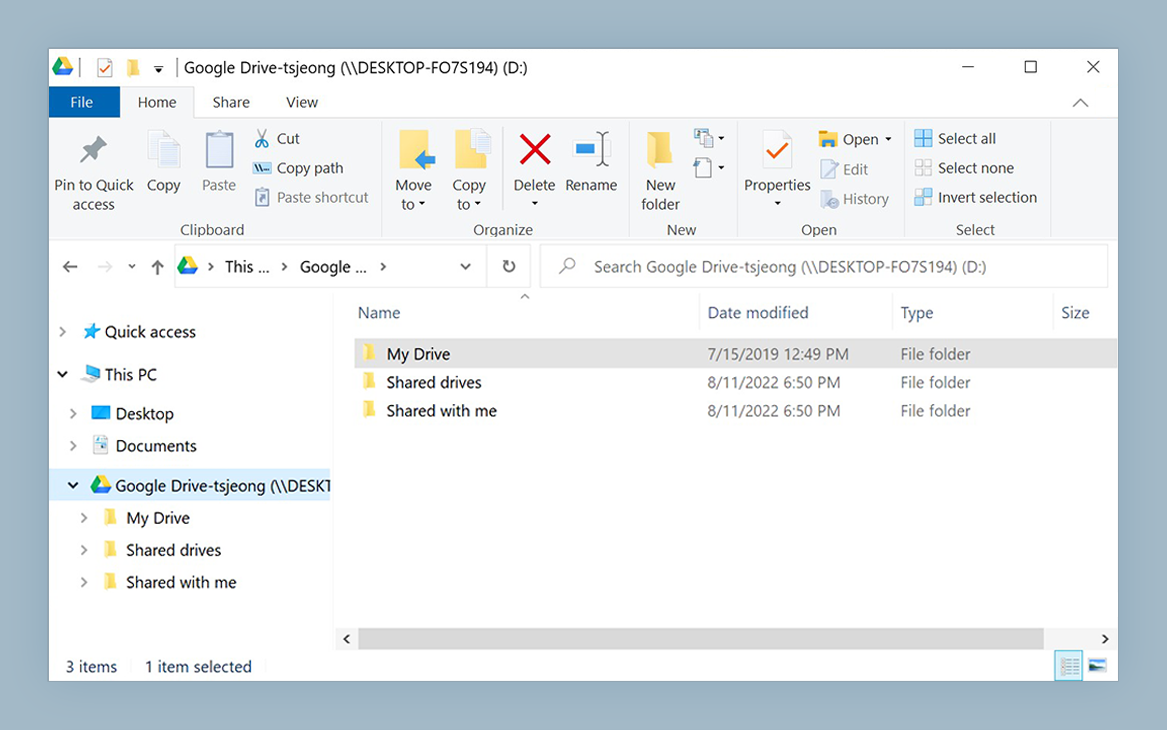
When NetDrive connects to Google Photos and assigns it a drive letter — say, P: — Windows Explorer shows it like any other volume. Your albums appear as subfolders. Inside each album are the individual photo and video files, accessible by name.
A few things to set expectations honestly:
Write support is limited. Google Photos exposes a read-oriented API for third-party apps. You can open and view files through the mounted drive, but editing or renaming photos through the drive does not behave the same as editing inside the Google Photos app itself. For uploading new photos or making library changes, use the Google Photos web app or mobile app directly.
Albums are the organizing layer. Content is organized by album under the mounted drive. Photos that have not been added to any album may appear separately, depending on what the API returns for your account. If you rely on date-based browsing, the album structure is the most reliable entry point.
Quota shown is your Google account quota, not a separate drive quota. NetDrive surfaces whatever your Google account reports for Photos storage used and remaining.

Prerequisites
- A Google account with Google Photos enabled and photos already in the library.
- NetDrive 3.16.589 or later — that is the version that introduced Google Photos support. The current release, 3.19.7, is recommended.
- Windows 8, 8.1, 10, or 11.
No API keys or developer console setup required. NetDrive uses OAuth, so the authentication step is a standard Google sign-in page in your browser — no terminal, no JSON credentials file.
Mounting Google Photos on Windows
- Open NetDrive → Drive Manager shows your existing drives.
- Click ”+” (Add) in Drive Manager.
- In the provider list, select Google Photos.
- Click Sign in with Google. Your browser opens Google’s OAuth consent page. Sign in with the Google account that owns the Photos library and grant the requested access.
- NetDrive shows the authenticated account name in the credential field. Assign a drive letter —
P:is a natural choice. - Click Connect.
The drive mounts within a few seconds. Open Windows Explorer and navigate to P:\ to see your albums listed as folders.
Auto-Reconnect on Login
In Drive Manager, open this drive’s settings and confirm Auto-mount is set to Login so NetDrive reconnects Google Photos automatically each time you start Windows. For most laptop and desktop setups, Login is the right choice (the drive is ready as soon as you are logged in).
Working With the Mounted Library in Desktop Apps
Lightroom Classic. Go to File → Add Photos to Catalog and navigate to P:\Albums. Lightroom reads EXIF metadata directly from the mounted files and builds its standard preview cache. Keep in mind that Lightroom’s non-destructive edits are stored in your local catalog — the originals remain on Google’s servers. Lightroom’s Sync will still work normally; the mounted drive is just a faster way to point Lightroom at specific albums without downloading them first.
Windows Photos opens any file you double-click from Explorer. The experience is identical to opening a local file — Windows pulls the image data as you open it.
File managers and batch tools that accept a local path can read from the mounted drive. This makes it straightforward to copy a specific album to a local folder for a client delivery, without installing or configuring Google’s Backup & Sync client.
Wrap-up
Mounting Google Photos on Windows with NetDrive turns a browser-locked library into a drive letter that any Windows app can read. OAuth handles authentication, albums appear as folders, and opening a photo streams it on demand without a full local sync.
For macOS users, mounting Google Photos on macOS with NetDrive covers the same workflow on Mac. If your photo archive also spans Google Drive folders, see mounting Google Drive on macOS or mounting Google Drive on Windows 11 for the general Drive setup.
— Morgan, NetDrive